
A Brief History of Pathologists’ Assistants, Their Profession, and an American Association of Pathologists’ Assistants Timeline
Gratitude
The following timeline is intended to provide our members with a history of the creation of our Association, its development and success, and how it is intimately involved with the creation and success of our profession. It is with deep appreciation that we wish to acknowledge and thank Tom Reilly, PA(ASCP)CM for the time he devoted to researching historical files, interviewing members, and developing this timeline over the course of the last two years.
And a special thank you to Ryan Schniederjan, owner of 10Blade Productions, who did the web development.

About the Author
Thomas Reilly is a retired PA living in Virginia. He has been a member of the AAPA since 1982 and is currently serving as “AAPA Historian.” He previously served in many AAPA leadership roles, including as Public Relations Committee Chair, AAPA Vice President, President, multiple years as a Board of Trustees member, and BOT Chair for six years. He is the author, along with James R. Wright, Jr., MD, of “A Brief History of the American Association of Pathologists’ Assistants: Creating an Organization, Winning Hearts and Minds and Building an Invaluable Profession.” read articleopen_in_new
-
Introduction
This general historical perspective and several early timeline items below are meant to acquaint the reader with milestones and events that led to and influenced the development and establishment of the Pathologists’ Assistant and Physician Assistant professions. The bulk of the chronological timeline, however, describes events and milestones specific to the pathologists’ assistant profession as well as the creation and ongoing development of the American Association of Pathologists’ Assistants (AAPA).
Background: A Brief History of non-physicians providing healthcare services
The utilization of non-physicians to provide services in anatomic pathology, specifically in the performance of the autopsy (the word autopsy derives from the ancient Greek “autopsia”, which means “to see with one’s own eyes” dates as far back as ancient times. [1] Around 3000 BC the ancient Egyptians, utilizing non-physician embalmers, were one of the first civilizations to remove and examine human internal organs in the religious practice of mummification. [2] Autopsies performed on casualties of fights and wars also provided essential knowledge of anatomy. [3] Other non-physicians, such as dieners (diener derives from the German word leichendiener, which literally translates to “corpse servant”, were utilized in medieval times. [4] Interestingly, an autopsy assistant (diener) is depicted in Rembrandt’s 1656 painting entitled “The Anatomy Lesson of Dr. Jan Deijman”. [5] In the mid-nineteenth century, Rudolf Virchow notably espoused a systematic approach to the performance of autopsies. He noted that in his experience autopsies were at that time being performed with no regular method, principally by young and untrained surgical assistants. [6]
The utilization of non-physicians to provide primary health care services in countries around the world has a long and significant history, dating back at least as far as the 1600s. Often, the need was created because of wars and large numbers of battlefield casualties. Manpower shortages also made it difficult to provide services in rural areas. In the United States, utilization of non-physicians was recognized and accepted, particularly in the U.S. Navy in the late 1790s. In 1799, the U.S. Congress passed a bill authorizing the U.S. Navy to use “hospital mates” to assist physicians in the care of navy personnel, particularly at sea. That name changed to “surgeon’s stewards” and eventually to what we are familiar with today, “hospital corpsmen”. Specialization in medical practice increased significantly post World War II, and a growing shortage in primary care givers was clearly recognized. To further compound the problems caused by the shortage of healthcare workers, millions of new potential patients suddenly gained access to healthcare services upon the creation in 1965 of Medicare and Medicaid.
In the early 20th century, the autopsy was viewed as an invaluable tool in the education of physicians, particularly regarding the correlation between clinical history and autopsy findings. A hospital’s accreditation was often based upon its autopsy rates. [7] Post World War II, the numbers of “routine” hospital autopsies rose significantly, consequently increasing the burden on pathologists. [7] As house staff, pathology residents, in particular, experienced a tremendous increase in the “service load” of the hospital, taking away from the time needed for them to develop into well-rounded skilled specialists. [8]
Projected manpower shortages among the ranks of primary care physicians and pathologists in the United States during the 1950s and 1960s brought about the establishment of training programs in the mid and late 1960s for both physician assistants and pathologists’ assistants. These programs were the foundation upon which two similar, but distinct, professions were built. It is worthy of note that a major concern voiced by both clinicians and pathologists at the time was that neither physician assistants nor pathologists’ assistants should be doing medical work. [9]
The manpower shortages and projected shortages in the mid-to-late 1960s came at a time when thousands of military corpsmen and medics were returning from service in Vietnam to civilian life. [10] The early physician assistant programs relied on this ready-made population of well-trained ex-military corpsmen as a pool of candidates for their training programs. [11] Early pathologists’ assistant programs also recruited from this population, though to a lesser degree. It is worthy of note that grants from the “Pathology and Allied Science Service” of the Veterans Administration enabled the establishment of the first three pathologists’ assistant training programs. [12]
Pathologists’ assistant programs placed special emphasis on extensive training in anatomic pathology, with students acquiring high levels of technical skills and a thorough understanding of the principles of anatomic pathology. Program graduate pathologists’ assistants represent a new category of allied health professionals, with their training setting them apart from other allied health professionals in anatomic pathology such as cytotechnologists, histology technicians, and dieners. [13] The mortuary service at the University of Maryland School of Medicine was designed to utilize pathologists’ assistants. These technical assistants fill a necessary gap, bringing technical expertise to the performance of autopsies and freeing up both residents and senior pathologists to better perform their responsibilities. [14]
The critical shortage of pathologists prompted the development of a pathology assistant program, the “mortician-necropsy assistant program” at the University Hospitals of Cleveland, Ohio to train licensed morticians to perform autopsies. [15] Physician extenders, particularly in the anatomic pathology setting, were also needed in the United Kingdom during the 1960s. One British pathologist’s answer to the manpower shortages was to suggest in a 1972 correspondence to the Lancet, the introduction of “necropsy technologists”, who, after training and under the supervision of a pathologist, would be a part of a post-mortem pathology team in much the same way that surgical pathology is so successfully dealt with. [16]
-
Referencesexpand_more
- K. Rothenberg, “The Autopsy Through History,” in Forensic Science ISBN 978-1-58765-423-7, Salem Press, 2008, p. 100
- J. L. Burton, “A Bite Into the History of the Autopsy: From Ancient Roots to Modern Decay,” Forensic Science, Medicine and Pathology, pp. 277-278, 8 September 2005.
- J. Gulczynski, Izycka-Swieszewska, E and Grzybiak, M, “Short History of the Autopsy: Part I. From Prehistory to the Middle of the 16th Century,” Pol. J Pathol, vol. 3, pp. 109-114, 2009.
- “Definitions,” [Online]. Available: https://Definitions.net. [Accessed 2019].
- “Wikipedia,” [Online]. Available: https://en.m.wikipedia.org.
- R. Virchow, Post-Mortem Examination with Especial Reference to Medico-legal Practice, Second German Edition ed., Philadelphia: Presley Blakiston, 1880, p. 9.
- L. S. M. M. C. King, “A History of the Autopsy: A Review,” American Journal of Pathology, vol. 73, no. 2, pp. 537-538, November 1973.
- R. Paegle and Klavins, JV, “Special Technologists for Autopsies,” Pathologist, vol. 24, pp. 297-301, 1970.
- J. R. Wright, “The History of Pathologists’ Assistants: A Tale of 2 Educational Mavericks,” Archives of Pathology and Laboratory Medicine, pp. 1-10, 7 August 2018.
- A. S. Ford, The Physician’s Assistant: A National and Local Analysis, New York, New York: Praeger Publishers, 1975, pp. 53-56.
- R. Carter, “Physician Assistant History,” Perspective On Physician Assistant Education, vol. 12, no. 2, pp. 130-132, Spring 2001.
- T. D. Kinney and K. R. Broda, “The Pathologist’s Assistant,” Human Pathology, vol. 5, no. 5, pp. 503-504, 1974.
- W. Mergner, Vigorito, RD, Pratt, PC, Broda, KR, Enriquez, RE, Kelley, LT and Trump, BF, “Pathologists’ Assistant Training Programs: A Report,” Human Pathology, vol. 12, no. 3, pp. 207-211, March 1981.
- W. Mergner, Sutherland, JC, Tigertt, WD and Trump, BF, “To Answer Questions: A Review of an Autopsy Service,” Archives of Pathology and Laboratory Medicine, vol. 104, pp. 167-170, April 1980.
- J. R. Carter and Martin, Dale L, “A Pathology Assistant Program: The Role of Licensed Morticians,” American Journal of Clinical Pathology, vol. 53, no. 1, pp. 26-31, 1970.
- W. Robertson, “The Post-Mortem Room,” The Lancet, pp. 152-153, 15 January 1972.
As history is always in motion, updates to this timeline will happen periodically. We welcome your comments, and any suggestions will be reviewed for consideration; click here to contact us.
-
-
General timelineexpand_more
-
1898: U.S. Navy Hospital Corps
expand_moreOn June 17, 1898, during the Spanish-American War, President William McKinley formally approved the establishment of the U.S. Navy Hospital Corps put forth by the U.S. Congress as “A convenient place shall be set apart for the sick and hurt men, to which they are to be removed, and some of the crew shall be appointed to attend them.” There were 25 “charter members” in 1898. Today, the Hospital Corps has the largest rate (rank) in the Navy and is one of the most decorated ratings in the U.S. Navy.
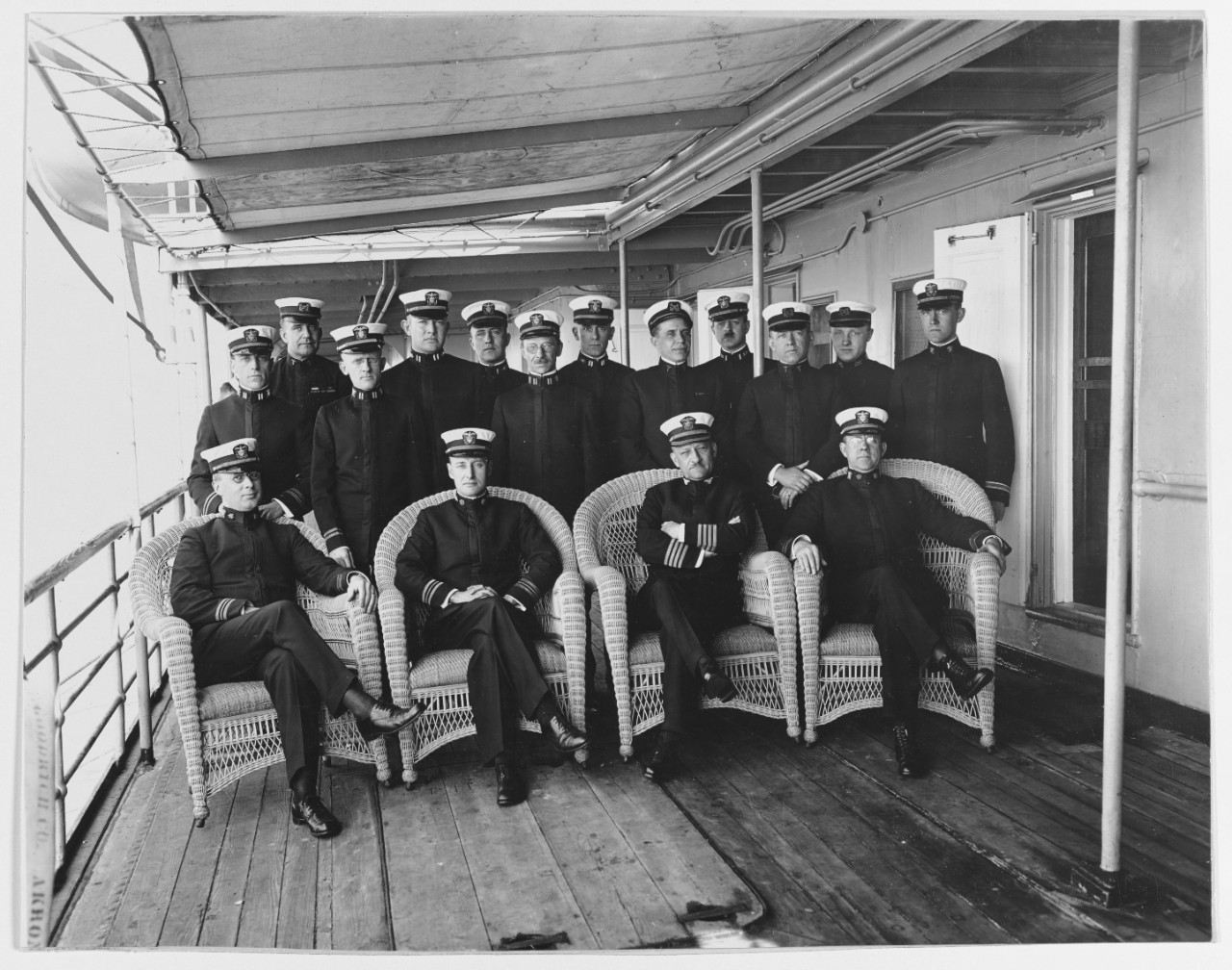 photo credit: public domain
-
1910: Flexner Report
expand_moreIn 1910, Abraham Flexner’s report on U.S. Medical Schools was published. This report was commissioned by the Council on Medical Education (CME), a council of the AMA. This report became notorious for its harsh description of many institutions and the sweeping reforms that followed. Over half of the medical schools were closed as a result, and most schools reverted to men-only admissions. However, this report also led to an increase in prerequisites to enter medical training, gave medical schools control of clinical instruction in hospitals, and strengthened state licensure regulations.
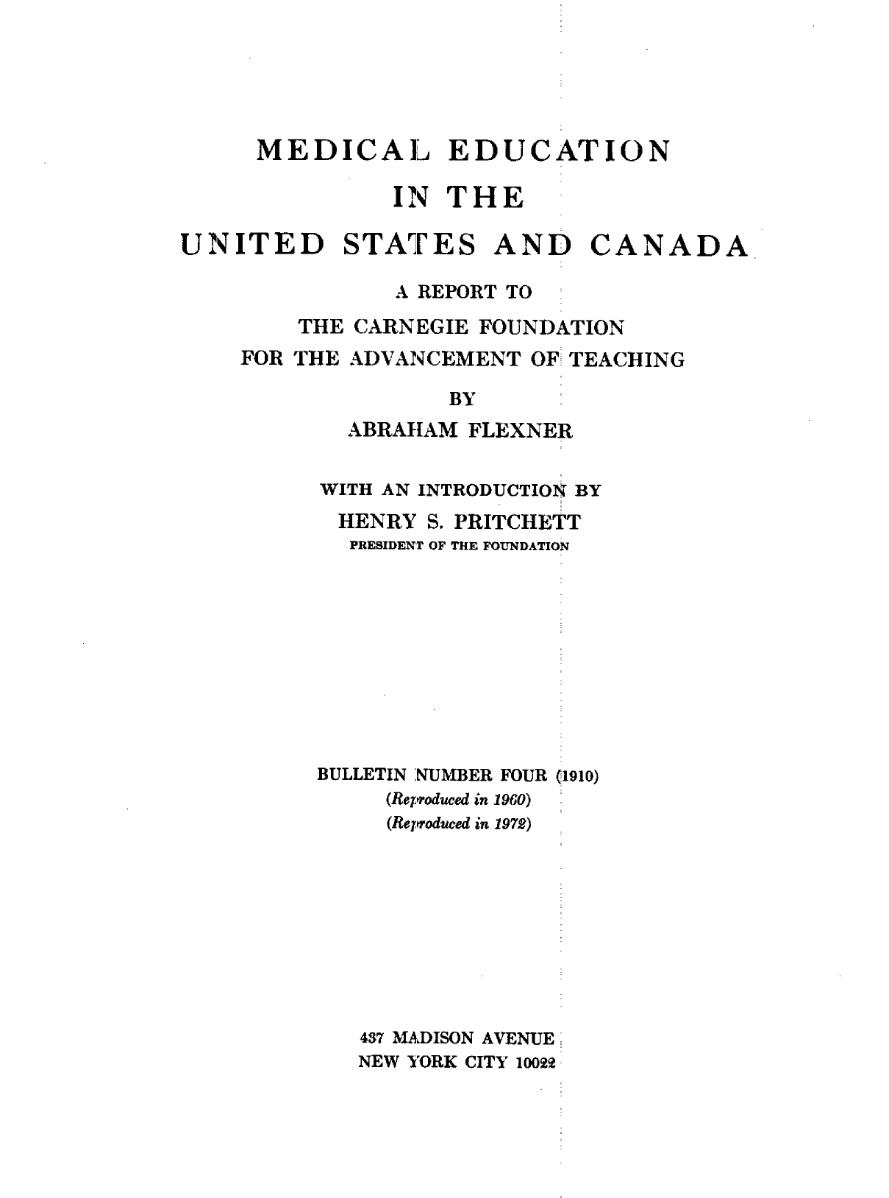 photo credit: public domain
-
1911: Henrietta Phelps Lawson Jeffries
expand_moreHenrietta Phelps Lawson Jeffries, an African-American midwife, was put on trial in North Carolina for practicing medicine without a license as organized medicine started attempting to put unlicensed practitioners, such as midwives, out of business. However, the local communities who depended on their care pushed back. She is found not guilty.
More about the trial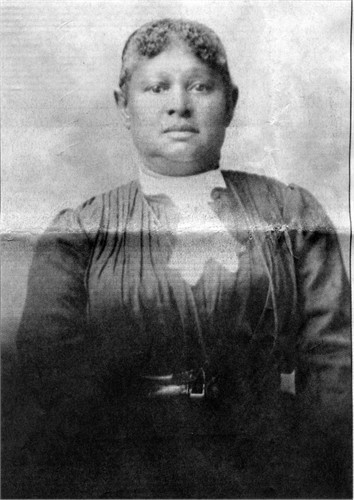 photo credit: public domain
-
1925: Frontier Nursing Service
expand_moreIn 1925, Mary Breckinridge established the Frontier Nursing Service in the Kentucky mountains. Wendover, now a national historic landmark, is the first effort to professionalize midwifery in the U.S.
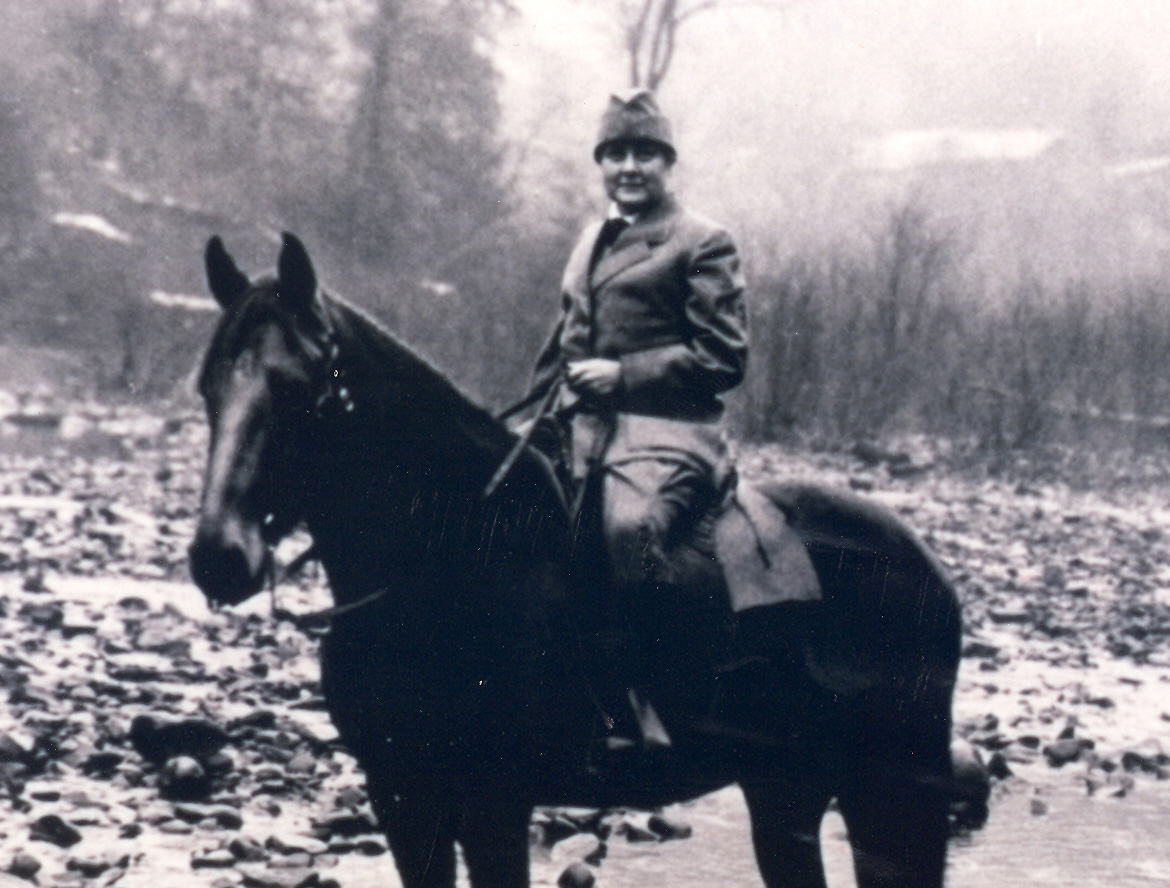 photo credit: Encyclopaedia Britannica
-
1930: Vivien Theodore Thomas, LL.D
expand_moreVivien Theodore Thomas began his journey as a laboratory assistant in 1930 for Dr. Alfred Blalock at Vanderbilt University. Thomas rapidly mastered anatomy and physiology, and complex surgical techniques and research methodology. Together, he and Dr. Blalock worked on groundbreaking research and surgical techniques, including Crush syndrome (hemorrhagic and traumatic shock) and the Blalock-Taussing shunt (surgical correction of Tetralogy of Fallot). Thomas developed more cardiac surgical techniques, and later in the 1940s he assisted Johns Hopkins’ first African-American cardiac resident work on the Automatic Implantable Defibrillator. In 1976, Thomas was presented with an honorary doctorate. He retired in 1979 as an Instructor of Surgery from Johns Hopkins Medical School.
Read More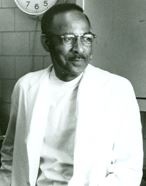 photo credit: Vanderbilt School of Medicine
-
1940: Henry “Buddy” Treadwell
expand_moreHenry Lee Treadwell came to the medical field after high school by working for the local doctor, Amos Johnson, in Garland, NC. He began by working as an orderly at the clinic and started observing laboratory tests, and soon learned how to perform them. He then learned how to perform and develop X-rays and soon was also taking vitals. Soon he was performing minor surgical procedures like suturing and eventually was performing most general practice procedures. By the late 1950s Johnson was referring to Treadwell as his “assistant” and would leave the practice under his supervision while Johnson was out of town. Johnson and Treadwell practiced together until Johnson died in the 1970s. Treadwell was offered, but decided not to take, the new certification exam for physician assistants, and retired from medicine to work on his own businesses.
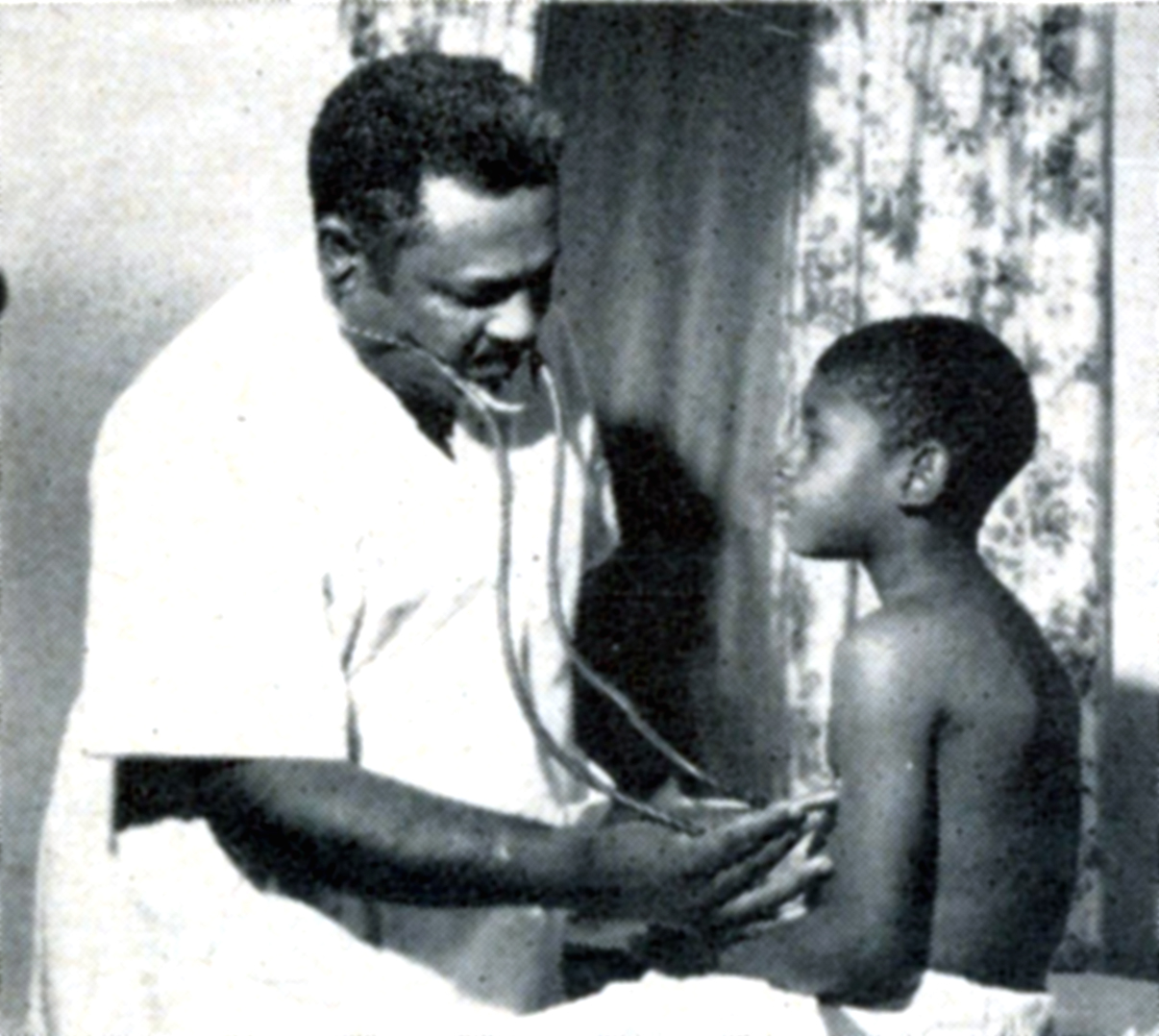 photo credit: Physician Assistant History Society
-
1942: PA Beginnings
expand_moreWith World War II just beginning for the U.S., Dr. Eugene Stead, Jr. (known as the founder of the clinical physician assistant profession) developed a fast track, 3-year medical curriculum to educate physicians for military service at Emory University. This became the model for the competency-based medical curriculum developed to educate physician assistants at Duke University in 1965. The Maritime Service began a Hospital Corps School with surgeon S.S. Heilwell, which was designed to train a more skilled Assistant Purser for merchant marine ships.
 photo credit: Physician Assistant History Society
-
1943: Battalion Surgeon’s Assistant
expand_moreWith World War II continuing to wage on, a critical shortage of physicians in the battlefield began to show. The U.S. Surgeon General decided to replace one of the two surgeons assigned to Army battalion aid stations with a specially trained Medical Administrative Corps officer. This officer soon became known as the Battalion Surgeon’s Assistant.
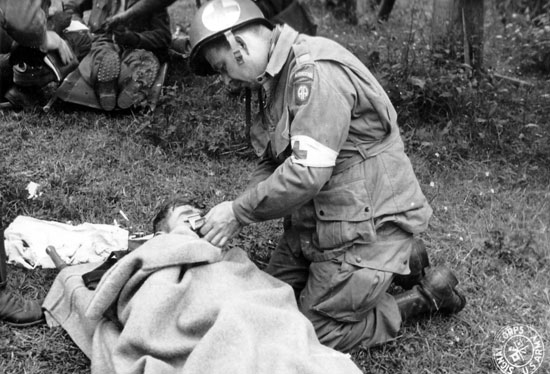 photo credit: public domain
-
1961: AMA publishes “Expansion of Medical Professional Services with Nonprofessional Personnel”
expand_moreCharles Lowell Hudson, MD, was a US Army physician during World War II. In addition he was on faculty at Case Western Reserve University and practiced at University Hospitals, Cleveland Clinic Foundation, and the VA Medical Center in Cleveland. In 1961 at an American Medical Association meeting, Dr. Hudson proposed the training of non-physician individuals. He relied on his experiences with US Army and Navy corpsmen during WWII. His proposal was to train “assistants”, which would be supervised by physicians, to perform routine clinical tasks so physicians could concentrate on more complex procedures and see more patients. His proposal was published in the June 10, 1961 issue of the Journal of The American Medical Association (JAMA). Dr. Hudson later served as president of the AMA. During his term, the first formal Physician Assistant program was started at Duke University.
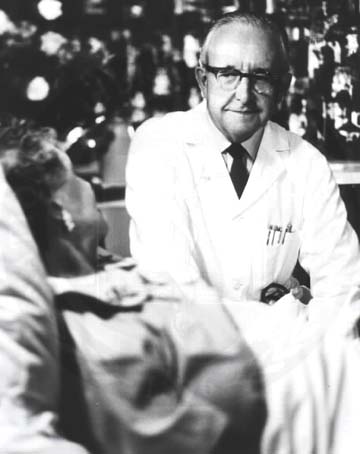 photo credit: Cover Photo from 20 June 1966, Modern Medicine Magizine – Physician Assistant History Society
-
1965: Social Security Amendments of 1965: Medicare & Medicaid
expand_moreJuly 30, 1965 – President Lyndon B. Johnson signed the Social Security Amendments into law, creating Medicare and Medicaid. The idea for these programs came many years before during the terms of President Franklin D. Roosevelt and President Harry S. Truman. Medicare was established as a health insurance program for the elderly and Medicaid as a health insurance program for the poor.
Read More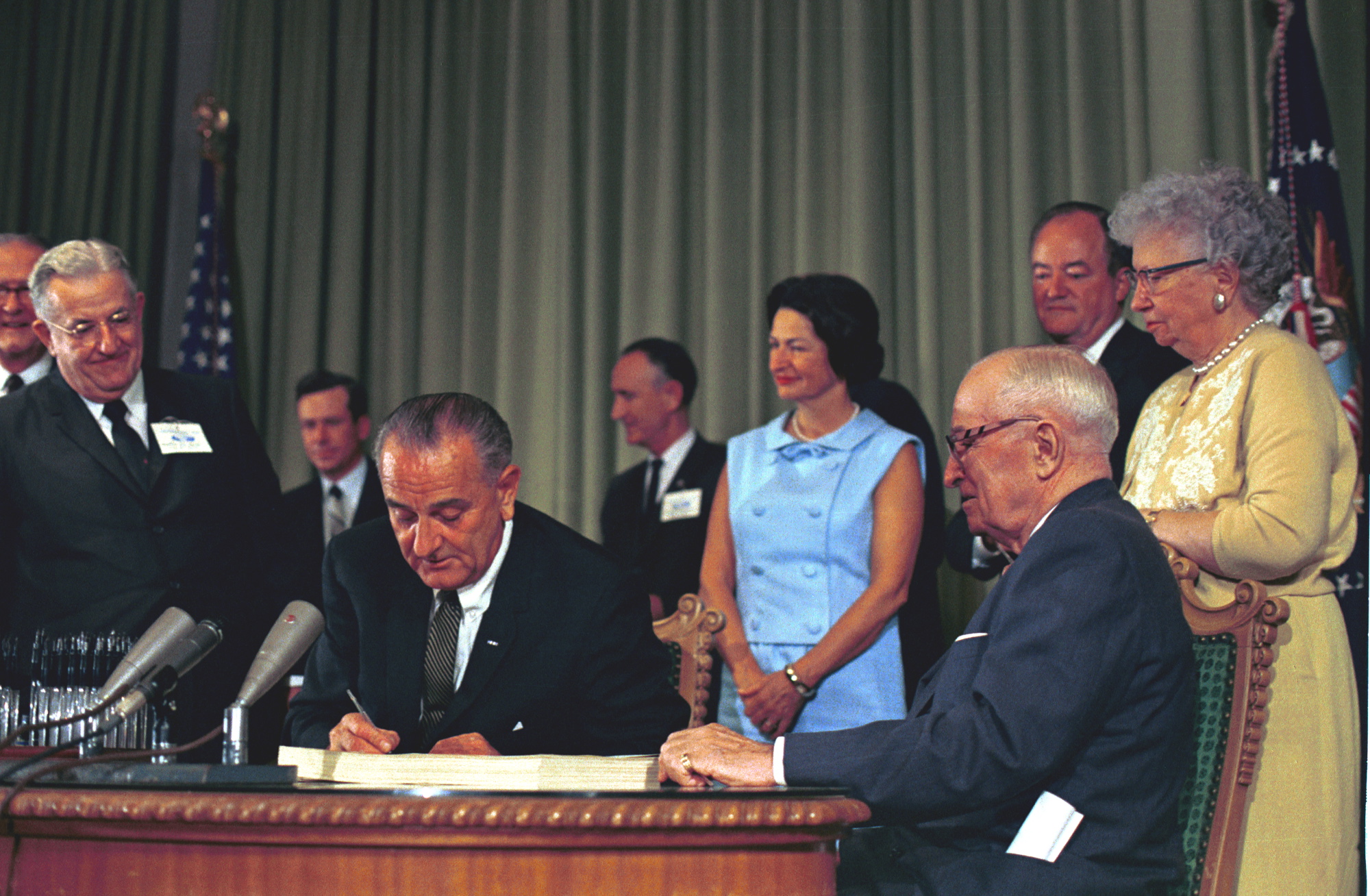 photo credit: LBJ Presidential Library
-
1965: Duke University creates first Physician Assistant training program
expand_moreEugene A. Stead Jr., MD, at Duke University (Durham, NC) creates the first formal training program for physician assistants. The first class consists of four former US Navy Hospital Corpsmen.
photo credit: Physician Assistant History Society
-
1967: “Surgeon Assistant” at University of Alabama
expand_moreThe University of Alabama (Birmingham, AL) establishes the first “Surgeon Assistant” program.
-
1968: American Association of Physician Assistants
expand_moreThe American Association of Physician Assistants (AAPA) was established by Duke University students and alumni.
-
1969: MEDEX
expand_moreThe University of Washington (Seattle, WA) establishes the MEDEX programs, designed to provide healthcare to rural areas in the northwest.
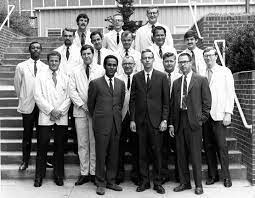 photo credit: University of Washington
-
1971: AMA formally endorses the physicians’ assistant concept
expand_moreThe American Medical Association House of Delegates adopt “Essentials for an Educational Program for the Assistant to the Primary Care Physician”.
-
-
Pathologists’ Assistant & AAPA Timeline
-
1969 to 1979expand_more
-
1969: Pathologists’ Assistants
expand_moreThomas D. Kinney, MD, was Chairman of Pathology at Duke University in 1967, and in 1969 was appointed Director of Medical and Allied Health Education there. He was also on the advisory board of the Veterans Administration and likely influenced the decision to provide grants from the “Pathology and Allied Science Service” of the Veterans Administration to establish the first three pathologists’ assistant training programs. Kinney’s idea to establish a formal pathologists’ assistant training program was based in part on pathology manpower concerns, and at least in part on his colleague Dr. Eugene A. Stead’s creation of the physician assistant program at Duke University in 1965. Dr. Kinney’s concept was that of physician assistants specializing in anatomic pathology. [1] The VA grant helped to develop the course curriculum and to populate the first class. Training was facilitated in cooperation with the Veterans Administration Medical Center (VAMC) in Durham, North Carolina. The pilot program, a one-year certificate program, started in July of 1969. The curriculum was designed specifically so that its graduates would be fully capable to assist pathologists in anatomic pathology practices, giving rise to the “pathologists’ assistant” profession. Integral to the implementation and success of Dr. Kinney’s Duke program were A. William Musser, MD, on the Veterans Administration Medical Center side, and Kenneth A. Broda, PhD, who was the primary lecturer on the Duke University side. Dr. Broda, whose PhD track included taking many of the courses offered to the pathologists’ assistant students, can lay claim to his being the very first formally titled pathologists’ assistant. [2] Three students comprised the inaugural class: one a former US Navy Hospital Corpsman with no college experience, one with two Junior college associate degrees in the sciences, and one with a bachelor’s degree in science.
- Wright JR Jr. The History of Pathologists’ Assistants: A Tale of 2 Educational Mavericks, Arch Pathol Lab Med. Accepted for publication August 7, 2018
- Conversations with Coy Wagoner, PA(ASCP). AAPA Founding Father, graduate of first Pathologists’ Assistant class, Duke University
-
1970: And then there were two. The second Pathologists’ Assistant program.
expand_moreA Veterans Administration grant enables the establishment of a second pilot pathologists’ assistant program, involving the University of Alabama (UAB) in partnership with the Veterans Administration Medical Center (VAMC) in Birmingham, Alabama.
“UAB/VA had its first class, two students in a one-year certificate program. The students were Larry Renner and Aubrey Dale. Larry stayed on to become the program director/administrator. Aubrey was there initially but moved to Maine to accept a different job. My class was the first of three to start the two-year program – everyone received a BS degree. Everyone but me had to make up enough other course work to complete requirements for the degree. I already had a BS, so credits were accepted from my previous education. Five of the 10 students in my class had a military background. I am a Navy Corpsman, John Mullins and Lee Weisz were Army medics (Lee served in Nam – Bronze Star), Dave Driscoll is a former Marine (Navy Cross from Nam), and Billy May was Army reserve. I do not know if Billy had military training, but he did have some radiology and respiratory therapy background. There were two classes after mine (graduated in ’73). The program closed after the class of ’75 graduated.”
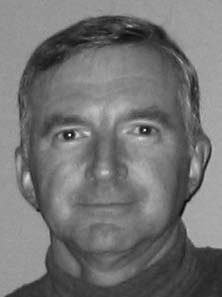 John Mitchell, UAB class ’73
-
1971: And then there were three. The third pathologists’ assistant program.
expand_moreA Veterans Administration grant enables the establishment of a third pilot pathologists’ assistant program, involving the West Haven Veterans Administration Medical Center (VAMC) in partnership with Yale University and Quinnipiac College.
“In September 1971, four students started at Quinnipiac College. The first year was mainly academics. They had three semesters the first year. There have been 47 classes of graduates from 1973 to the Pathologists’ Assistant program in 2019, with over 600 former students. We have 25 students per class, with two classes per year – the academic year and the clinical year.”
What I can recall…a Physician at Duke University started a program in the early to mid sixties called the “Physician Associate”. Their program was a two-year certification program where students were trained to assist physicians in the clinical setting. These PAs (Physician Associates) learned to administer different drugs such as antibiotics, assist with diabetes patients, learned minor surgical techniques, read EKGs, and many other duties. At the end of the two-year program, they graduated with the title of PA (Physician Associate). Shortly thereafter, the American Medical Association (AMA) intervened to shut down the title of (Physician Associate) because of confusion with the term Associates who also could be MDs. The AMA finally did approve the new title of PA (Physician Assistants).
By the late sixties, Duke University Physician staff started training PAs (Pathology Assistants). Finally, in 1971, the Federal Government funded three training programs in the U.S. for the Pathologists’ Assistants: Duke University, Quinnipiac University (College at that time), and the University of Alabama in Birmingham. The Federal Government funded the three programs for five years. By 1976, the Federal Government terminated the government monies.
Duke University took over their Baccalaureate training program until the mid 1980s. Quinnipiac University took over their Master’s Degree program M.H.S. (Master of Health Science) and is still in full operation with 25 students per class with over 600 graduates as of May 2019. The University of Alabama closed their program down before the Federal Government funds had run out (1974).
In September 1971, four students started at Quinnipiac College. The first year was mainly academics. They had three semesters the first year. Their anatomy class was only “cats” (no humans) that year. Their second year was autopsies at the VA Medical Center, mainly male cadavers. Then the students trained at Yale University utilizing deceased female and children cadavers. The second class of the first year students trained with Anatomic Pathology cadavers for their human training, and this has gone on since the beginning (to date, 47+ years)!
Over the years, different Quinnipiac Program Directors were involved in the training process. By the late 1980s, Dr. Ken Kaloustian took over the Directorship until he retired in 2015. Professor Rob Cottrell has since taken over as the current Program Director. Our first Program Medical Director, Dr. Rosa Enriquez, took over in 1971 as Medical Director until her retirement in 1992. Dr. Nelson Gelfman followed up as Medical Director of the program until his retirement in 2014. Our current Medical Director is Dr. Maury Fremont-Smith, a pathologist at Quinnipiac University. Leo Kelly was the Clinical Coordinator from 1971 to May 2019. Dr. Colleen Hebert has since taken over as the Clinical Coordinator position as of July 2019.
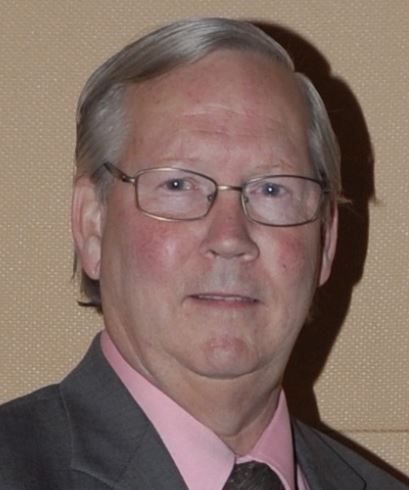 Narrative from Leo Kelly, QU class ’73
-
1971: American Association of Pathologists’ Assistants: The Beginning
expand_moreA group of practicing pathologists’ assistants, seeking to organize themselves and to advance their newly emerging profession approaches the American Association of Physician Assistants (AAPA) about becoming members. The request is denied, and shortly thereafter the American Association of Physician Assistants copyrights “PA-C” as the designation for “Physician Assistant, Certified”.
-
1972: American Association of Pathologists’ Assistants: The Founding
expand_moreThe first five graduates of the Duke University Medical Center Pathologists’ Assistant Training Program following a series of meetings during the Fall of 1971 hold a formal planning meeting in February of 1972 to discuss the establishment of a non-profit organization that would foster the education of pathologists’ assistants at recognized medical centers and universities.
The American Association of Pathologists’ Assistants was officially founded and incorporated in the city of Dayton, Montgomery County, Ohio on April 14, 1972. The first officers/founders of the AAPA signed papers of incorporation that included the “Articles of Incorporation” and the names of the officers with the office they held. They are:
- President – Harvey L. Gibson
- Vice President – Norman F. Gerard
- Vice President – Robert P. Heineman
- Vice President – Coy W. Wagoner
- Secretary/Treasurer – John R. McNamee
By the winter of 1972, the American Association of Pathologists’ Assistants (AAPA) had been officially founded and incorporated as a non-profit organization under the statutes of the state of Ohio. From its inception, the AAPA was dedicated to advocacy for individual pathologists’ assistants and to the advancement of a then newly emerging allied health profession. From the outset, the AAPA’s major goals were to create guidelines for formal training programs, to develop a de facto certification “Fellowship” examination, to provide continuing education (CE) for its members, and to obtain national recognition for the profession and for individual pathologists’ assistants.
The first official document defining the activities and governance of the AAPA as an association, the “Code of Regulations of the American Association of Pathologists’ Assistants”, was also created. The “Code” was designed to be a fluid document, able to be amended as necessary to ensure the proper governance of the association.
The first five graduates of the Duke University Medical Center Pathologists’ Assistant Training Program conducted the first official planning meeting to discuss the establishment of a non-profit organization that would foster the education of pathologists’ assistants at recognized medical centers and universities across the country. It was held in February of 1972 at the University of Kentucky Medical Center in Lexington, Kentucky. Present at the meeting were Coy Wagoner and Norm Gerard, graduates of the inaugural Duke University program. Also present were Bill Black, Harvey Gibson, and Robert Heineman, also graduates of the Duke University program.
The funding for the effort to establish the “American Association of Pathologists’ Assistants” was shared equally among those present at the meeting in Kentucky. The major goals of the Association were identified, and each of the principals at the meeting took on specific assignments in an organized effort to attain them. Norm Gerard created a newsletter to be distributed to Association members and prospective members. Coy Wagoner wrote to all states’ attorney general offices to ascertain if there were any existing statutes that would either allow pathologists’ assistants to perform their jobs or potentially prevent them from performing their jobs. Harvey Gibson initiated the plan to incorporate the “American Association of Pathologists’ Assistants” (AAPA) as a non-profit organization in the state of Ohio where incorporation costs were reasonable. Robert Heineman and Bill Black created guidelines for training programs, developed a “Fellowship Examination” for potential AAPA members, and developed a continuing education (CE) program for AAPA members. These five Duke graduates were the founding fathers of the AAPA.
From the first planning meeting held in February of 1972 came a proposed organization which adopted the name of “The American Association of Pathologists’ Assistants”. The Association was (and still is) dedicated to, and adheres to the same high professional, ethical, and moral ideals that guide the many other professional medical associations that exist in society. A provisional clause was included in the Association’s Code of Regulations, whereby many of the already employed, non-certified so-called pathologists’ assistants could become members of the Association if, after examination by the Association membership committee, they were found to be qualified under criteria established by the Association.
It was a general consensus of the founding members of the Association, that a non-profit organization was the best vehicle to achieve the prime objective of identifying those who were qualified as certified pathologists’ assistants, and to inform the general public and members of the medical profession of the qualifications of formally trained pathologists’ assistants, and to insure that those not qualified as pathologists’ assistants would be subject to criticism and may in some instances be subject to legal remedy if the good name of the certified pathologists’ assistants is used indiscriminately by those seeking employment as certified pathologists’ assistants, when in fact they are not.
AAPA Newsletter VOL. 1, NO. 1, P2-3, Aug 1974
The American Association of Pathologists’ Assistants organization was formed in order to promote the individual pathologists’ assistants and to represent a small group of individuals as a unified force. The AAPA was a source of potential jobs and provided clarification of the legal standing of individual pathologists’ assistants and of the profession in the medical community.
The AAPA provided its members a platform to network even before the time of computers and the internet. It provided a forum for the exchange of information between members and a sounding board for each of us to compare our job situations and the attendant obstacles that arise in each of our personal and professional careers. I personally found this to be most helpful. In most of my positions, I was the first pathologists’ assistant to be hired. This provided me with the unique experience of “breaking the ice” and showing what I could do.
I found that training pathology residents in the academic positions at the University of Kentucky and the University of Virginia could potentially expand horizons for other pathologists’ assistants. Residents could see our usefulness and eventually might go on to hire pathologists’ assistants themselves once they were part of their own pathology departments.
Through the AAPA, I have made lifelong friends in both the United States and in Canada, where I have been an “unofficial” member of the Canadian pathologists’ assistant delegation for years. The great locations of the AAPA conventions over the years have allowed my family to visit many places we might not have otherwise had the opportunity to see.
I consider the AAPA and the pathologists’ assistant profession to be the guiding forces in my life. I left rural Indiana coal mines to become a medical professional in pathology through the Duke University PA Program, under the auspices of A. Wendell Musser, MD, a fellow Hoosier who as a mentor, saw my potential and recommended me for the first class of three in that program. That year at Duke I met my future wife of 48 years, and my life was forever changed.
-
1972: “The Pathologist Assistant: First Year Job Experience of a New Paramedical Career”
expand_moreThe first published article co-authored by a pathologists’ assistant about pathologists’ assistants, titled “The Pathologist Assistant: First Year Job Experiences of a New Paramedical Career”, by Edward Davies, MA; Joseph Parker Jr., MD, Norman Gerard, PA, is published in “Southern Medicine”, volume 60 #4.
Read the article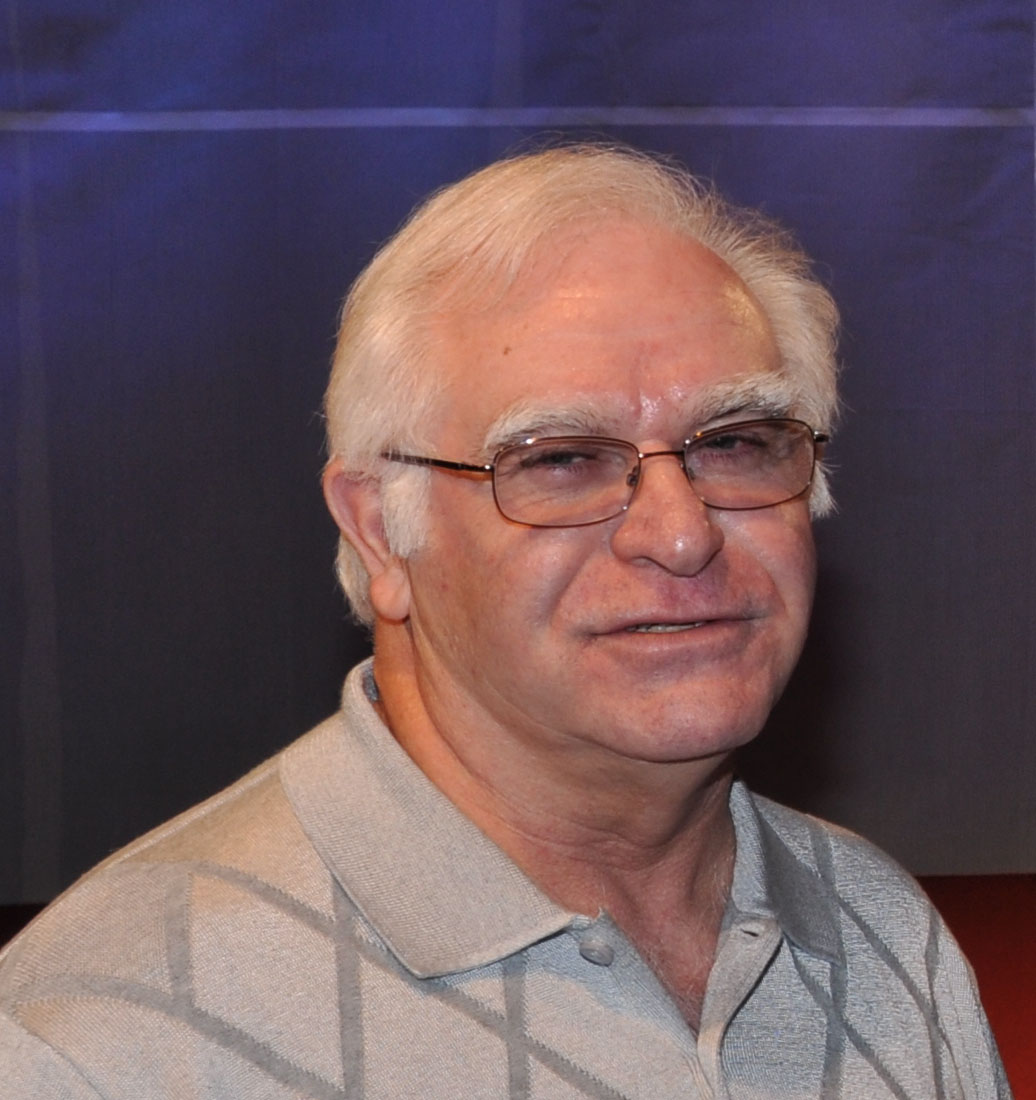 Norm Gerard – Duke ’71, Founding Member
-
1974: A fourth program established
expand_moreA fourth training program, and the first not to be affiliated with the Veterans Administration grant program, is established at the University of Maryland in 1974. The program is notably the first to eventually offer a Masters’ degree.
- Official start of program – August of 1974
- First class graduated in 1977
- Program Directors:
- Wolfgang Mergner, MD – 1974 to 19xx
- Raymond Jones, PhD – 19xx to 2008
- Rudolph Castellani, MD – 2008 to 2016
- Michael Lipskey, PhD – 2016 to present
- NAACLS Accreditation – initial – April of 2000
- NAACLS Accredited for full ten years in 2017
- At least one member of the class of 1979 still a practicing PA at the start of 2019 (since retired)
courtesy of Carlen Miller
-
1974: First Professional Contact
expand_moreThe AAPA contacted the National Board of Medical Examiners (NBME) in 1974 regarding developing a national certification program for pathologists’ assistants. The following is an excerpt from a letter received by the AAPA from John P. Hubbard, MD, President and Director of the National Board of Medical Examiners (NBME), regarding national certification for pathologists’ assistants:
“If at any time the American Association of Pathologists’ Assistants should wish to request the services of the National Board in the development of a certifying examination, we would be interested in hearing from you. Such a request would be brought to the attention of our Executive Committee for their consideration.”
AAPA Newsletter VOL. 1, NO. 1 p. 4, Aug, 1974 -
1975: The First Annual Meeting of the AAPA
expand_moreThe first annual meeting of the American Association of Pathologists’ Assistants (AAPA) is held in the fall of 1975 in Atlanta, GA. It is primarily a business/organizational meeting. There are 35 attendees, from which are elected the first AAPA officers. It is decided at that meeting that the AAPA would henceforth administer a “Fellowship” examination.
-
1976 to 1993: The AAPA Forges new Relationships
expand_moreThe AAPA forges new relationships with major stakeholders in the medical community during these years, including the American Society for Clinical Pathology (ASCP), the American Medical Association (AMA), the American Society of Allied Health Professionals (ASAHP), the Intersociety Pathology Council (IPC), the Association of Pathology Chairs (APC), the College of American Pathologists (CAP), the International Academy of Pathology (IAP), and the National Accrediting Agency for Clinical Laboratory Sciences (NAACLS).
-
1976: AAPA Officially recognized by Professional Pathology organizations
expand_moreThe AAPA is officially recognized by the Intersociety Pathology Council (IPC) and establishes a relationship with the Association of Pathology Chairs (APC).
The Intersociety Pathology Council (IPC)
The Intersociety Pathology Council (IPC) is an informal organization which serves as a communication center and provides a unified voice for the discipline of pathology in North America. The IPC, formed in 1968, is presently composed of representatives of 25 pathology organizations. IPC offices are in Bethesda, MD. IPC objectives are to serve:
- As a national forum for discussion of matters of interest and concern to North American pathology;
- As a clearinghouse for scheduling of national meetings; and
- As a means of facilitating communications among national pathology organizations.
Reference: Intersociety Pathology Council
The Association of Pathology Chairs (APC)
The Association of Pathology Chairs (APC) is a non-profit society which serves as the voice of academic departments of pathology in the U.S. and Canada. APC exists to provide leadership and advocacy for the dynamic discipline of Pathology, and to enable academic departments to meet the demands of their three missions: medical education, research, and practice. The APC provides education, training, information resources, and networking opportunities for members of the five APC sections.
Reference: Association of Pathology Chairs
-
1976: The First Fellowship Exam
expand_more“The first ‘Fellowship Examination’ was given at the second annual AAPA meeting in the fall of 1976 in Virginia Beach, VA. The exam was put together by myself and Brent Riley. It had been decided in Atlanta the previous year to ‘grandfather’ all current ‘Fellows’ and persons meeting membership requirements prior to the exam. I do not remember how many people took the exam (no more than 10 or 12), but it was graded, and ‘Fellow’ status awarded to those who passed while at the meeting in Virginia Beach.”
John Mitchell
-
1977: Another attempt at partnership with fellow PAs
expand_moreThe AAPA, by vote of Fellow members present at the 1977 AAPA annual meeting, decides to look once more into possible affiliation with the American Academy of Physician Assistants as an umbrella organization in order to gain strength in numbers.
-
1978: American Academy of Physician Assistants again rejects membership.
expand_moreThe American Academy of Physician Assistants again reject the AAPA’s request for membership (see 1971), citing the fact that pathologists’ assistants were not a fit because they were not clinically trained, and that their support and mentorship did not come from the AMA, but rather should come from the CAP and/or the ASCP.
At this time, the AAPA makes a formal request to the ASCP, asking them to consider establishing a “Pathologists’ Assistant Registry”.
-
1979: Issues with the VA system
expand_moreThe AAPA (ca 1979) meets with representatives of the Veterans Administration (VA) in Washington, D.C. to express concerns that while the VA was involved in training PAs, they had no job description for them in their system or job opportunities for them.
“Somewhere in the late 70s or early 80s (do not remember exactly when), I went to D.C. and met with the VA. I was not alone but do not remember who was with me. It might have been Leo Kelly. There was a concern that the VA was training pathologists’ assistants, but none were going to work for the VA. There were opportunities available, no job descriptions, no funding, zero. Typical catch 22. That obviously did not change – same as the outcome of the meeting.”
John Mitchell
-
-
1980 to 1989expand_more
Background: Establishing the Pathologists’ Assistant as a member of the medical team.
The 1980s was a decade of advocacy for the Pathologists’ Assistant profession. During this decade, the AAPA, now several hundred national members strong in less than 10 years, was becoming a strong voice for Pathologists’ Assistants in the medical community. New relationships with other professional organizations were forged and many older relationships were made stronger. The 80s also saw more building of the AAPA structure and the release of “Professional Responsibility of the Pathologists’ Assistant”, the first scope of practice for the Pathologists’ Assistant.
-
1980: AAPA submits application to the AMA
expand_moreThe AAPA Board of Trustees (BOT) submits its initial application to the American Medical Association (AMA) for national recognition as a new emerging allied health profession. The AMA cites the lack of AAPA membership numbers and inadequate financial strength as the major liabilities that prevent the AAPA from successfully attaining that recognition.
-
1982: The AAPA Exhibit Booth has a positive impact at organized pathology meetings
expand_more“I was fresh out of PA school (SUNY Downstate) and months into my first job at NYU Medical Center when I had the opportunity to attend my first AAPA meeting, which I believe was in Boston. Before the week was over, I committed to chairing the Public Relations Committee (by the way, I knew nothing about PR), which was in its infancy. This required storing the huge AAPA exhibit in my basement, dragging it to FedEx to ship to conferences, and then tackling the intricate assembly of the exhibit. Then came actually manning the booth and interacting with the attendees, the majority of which were pathologists. Back then I was not particularly outgoing, but I quickly got over my fear and was proud to speak of our profession.
In the beginning, the number one question was “What is a pathologists’ assistant?” and was often asked in a hostile tone. It didn’t take long until the questions evolved to “How do I get one?” often said in a hopeful tone. I take great pleasure in seeing the incredible growth and maturity of our profession. All the hard work of the early days has certainly paid off. We dreamed of one day being nationally recognized, and I am happy to say when I tell people I am a pathologists’ assistant to this day the profession is a well-recognized and respected one. As a board member of the ASCP, I attend the annual meeting each year and enjoy stopping by the AAPA booth and interacting with our members. I love to tell them about the old days and how far we have come, and they seem to enjoy my stories about the exhibit booth!”
 Anne Walsh-Feeks
-
1983: Association of Pathologists’ Assistant Training Programs (APATP)
expand_moreThe Association of Pathologists’ Assistant Training Programs (APATP) incorporated in 1983. Its first president was Kenneth Broda, PhD. One of their first outreach efforts was to present an exhibit booth at the annual ASCP/CAP meeting in October of 1983 in St. Louis. The booth displayed five focal points: a projection screen with a continual loop of AAPA statistics; a table containing current curricula from the four operational training programs; reprints of four articles about pathologists’ assistants; a protocol for PA Professional Responsibilities; and the “Minimal Essentials” document drafted by the APATP. Also displayed were the sponsors of the booth (AAPA and APATP), photographs depicting the “training of pathologists’ assistants” from the Duke University Training Program, and a poster explaining how pathologists’ assistants can help pathologists. Manning the booth were Dr. Wolfgang Mergner, Program Director at the University of Maryland, Dr. Kenneth Broda, Associate Director of the Duke University program, and Robert A. Neri, President, AAPA.
Neri R.A.: The Training of Pathologists’ Assistants Exhibit at the Fall ASCP/CAP Meeting, October 1983. AAPA Newsletter, Vol. X NO. 4 p2, December 1983. -
1983: The first Scope of Practice
expand_moreThe AAPA creates a protocol detailing the scope of “gross tissue examination and personnel qualifications” for non-physicians doing grossing. The protocol was an outcome of the “AAPA Job Description Project”. The final product of this project is a document titled “Professional Responsibilities of the Pathologists’ Assistant”.
-
1987: AAPA applies again to the AMA
expand_moreThe AAPA Board of Trustees (BOT) communicates with the AMA Board of Directors again in November of 1987, reiterating their goal of attaining national recognition. The AMA response is that, without the support of a national organization of physicians representing the AAPA’s subspecialty, the AMA would not feel obligated to approve the application.
-
1988: Building new relationships
expand_moreThe AAPA joins the American Society of Allied Health Professions (ASAHP) as a professional association member.
The American Society of Allied Health Professions (ASAHP) is composed of a variety of allied health associations, educational institutions and individual allied health care providers. It is dedicated to the advancement of allied health through legislation and education. In an effort to buttress its chances of gaining recognition through an application to the American Medical Association (AMA), the AAPA contacted other medical/allied health organizations. One such organization is the “American Society of Allied Health Professions” (ASAHP), who had expressed a willingness to talk with the AAPA about the AMA application. Jeff Watterson, AAPA President at the time, was invited to speak with their Board of Directors at their annual conference in Las Vegas in November of 1988. The meeting, however, was cancelled on the basis that the ASAHP did not feel that such a meeting would not engender their support for our application to the AMA for national recognition. The ASAHP is mainly concerned with the educational development of its members, who consist primarily of deans of allied health schools from universities across the country. Jeff did see benefit, though, in joining their organization as an “Associate” member in that it might afford the AAPA a vehicle for establishing new training programs.
International Academy of Pathology (IAP)
In early 1988, Public Relations Chair Anne Walsh-Feeks initiated dialogue between the AAPA and the “International Academy of Pathology” (IAP). The dialogue led to the AAPA being given complimentary exhibit space at the annual meeting of the United States and Canadian Academy of Pathology in Washington, D.C., February 29 to March 4, 1988. Anne reported that the response to the AAPA exhibit booth was excellent, with many pathologists stopping by the booth with an interest in hiring a pathologists’ assistant.
The AAPA would go on to maintain a relationship with the IAP, and in the fall of 2004 I presented a lecture on the AAPA and our profession to the Royal College of Pathologists (RCP), their Australian counterpart, the Royal College of Australian Pathologists (RCPA), and other organizations at the IAP annual meeting in Brisbane, Australia. It was an excellent opportunity for the AAPA to continue its outreach program, this time to an international group of pathology organizations.
-
1988: The AAPA formally requests support from the CAP
expand_moreThe AAPA BOT submitted a packet of information to the Executive Director of the College of American Pathologists (CAP) included within which was a formal request for CAP’s support of the AAPA’s application to the American Medical Association (AMA) for recognition as a newly emerging allied health profession. The packet and request were presented to the CAP Board of Governors in June of 1988. The request, however, was denied by the Board of Governors, who cited in part, a lack of unanimity among individual pathologists as to the appropriateness of non-physician pathologists’ assistants performing some of the pathologists’ duties.
-
-
1990 to 1999expand_more
Overview: Setting the Strategic Plan: National Recognition
The 1990s were highlighted by the AAPA’s continued efforts to gain support from the major pathology professional groups, to achieve national recognition, and to follow their established goal to create guidelines for formal training programs. They applied to the AMA for recognition as a new emerging healthcare profession, developed the “Guidelines for Establishment of an AAPA-Approved Training Program”, interacted with CAHEA regarding CLIA ’88 regulations determining the ability of PAs to legally perform their duties, advocated for their members regarding potential licensure issues, partnered with NAACLS to develop an accreditation process for pathologists’ assistant training programs, created the AAPA “Professional Responsibilities of Pathologists’ Assistants”, and created a national committee for the certification of PAs.
-
1990: The AAPA asks for support again
expand_moreThe AAPA presents a new resolution to the CAP House of Delegates in the fall of 1990 asking again for support for their application to the AMA for national recognition as a new emerging health profession. The CAP House of Delegates maintains their decision to deny such support.
-
1991: Resolutions on National recognition and AAPA-Approved Training
expand_moreThe AAPA BOT creates the “Guidelines for Establishment of an AAPA-Approved Training Program” document.
The AAPA creates a new resolution to submit to the CAP House of Delegates requesting CAP’s support for two new AAPA applications to the AMA, one for recognition as a new emerging health profession and another for accreditation of pathologists’ assistant training programs under the Committee on Allied Health Education Accreditation (CAHEA).
The AAPA forms an Ad Hoc committee on national recognition.
-
1991: The first Central Office
expand_more“Just some AAPA trivia for your enjoyment. Our first Central Office was set up in my sister Kathy Tulley’s basement in Malverne, Long Island, NY in 1991. As a busy mom of four young children she ran a medical transcription business in her home. She generously offered to answer our newly created toll-free number, 800-532-AAPA, which she did for a number of years until we created a ‘real’ central office.”
Anne Walsh-Feeks
-
1992: Clinical Laboratories Improvement Amendments (CLIA)
expand_moreBrief overview: The Clinical Laboratories Improvement Amendments (CLIA) was originally enacted in 1967 when error rates of laboratory testing, particularly in the area of cytology, became very high and personel were overworked. The act originally covered independent and hospital laboratories.
In 1987 and 1988, Congress enacted two laws (OBRA-87 and PHS Act) which supplement CLIA ’67 expanding HHS’s authority to regulate laboratories. The law was debated, revised, and debated again until the final CLIA ’88 regulations were published in 1992. More revisions would come, which finally go into effect in 2003.
Read More -
1992: CLIA and the AAPA
expand_moreCLIA ’88 supplants CLIA ’67. The AAPA creates an Ad Hoc committee on CLIA ’88. CAP and ASCP advise AAPA not to pursue a political campaign to change the CLIA ’88 regulations as written.
The AAPA sends a letter to the Healthcare Financing Administration (HCFA) to comment on the proposed CLIA ’88 regulations, specifically on the language describing personnel standards for laboratories performing high complexity testing, and to request the wording to be changed to allow laboratories to hire pathologists’ assistants to perform high complexity testing.
-
1992: Association of Pathology Chairs contacts the AAPA
expand_moreThe Association of Pathology Chairs (APC) contacts the AAPA to obtain information on the pathologists’ assistant profession. They express concern about projected pathology manpower shortages and are interested in the role pathologists’ assistants play in pathology laboratories.
-
1993: New AAPA structure and Strategic Plan
expand_moreIn 1993, the AAPA Code of Regulations is revised to create governance and fiscal efficiencies. Along with this, the AAPA BOT creates a “Strategic Plan” outlining short-term, mid-term, and long-term goals.
-
1993: CLIA ’88 goes into effect and Licensure in the State of Nevada
expand_moreThe Clinical Laboratories Improvement Amendments of 1988 (CLIA ’88) establish that program-trained pathologists’ assistants meet and exceed the personnel and proficiency testing requirements for high-complexity testing. The inspection guidelines for CLIA ’88 are changed to allow pathologists to continue utilizing pathologists’ assistants as they had in the past.
The state of Nevada contacts the AAPA regarding state licensure for pathologists’ assistants. Information provided by the AAPA is utilized by the Nevada State legislature to create such licensure for pathologists’ assistants.
-
1993: National Accrediting Agency for Clinical Laboratory Sciences (NAACLS) & the AAPA
expand_moreRepresentatives of the AAPA are invited to attend a Training Program Process Workshop in Chicago, IL. From this, the AAPA establishes an affiliation with the National Accrediting Agency for Clinical Laboratory Sciences (NAACLS), and together they develop an accreditation process which remains in effect today as the standard for accreditation of pathologists’ assistant training programs. Details may be obtained from the NACCLS website.
NACCLS website -
1994: “Professional Responsibilities of Pathologists’ Assistants”
expand_moreThe AAPA’s “Professional Responsibilities of Pathologists’ Assistants” document is submitted to an Ad Hoc committee of the American Society for Clinical Pathology (ASCP). The document is reviewed and subsequently accepted by the ASCP.
-
1994: CAP granted peer inspection authority
expand_moreThe Health Care Financing Administration (HCFA) gives deemed status to the CAP, giving them authority for peer review using its laboratory accreditation program, thus granting peer reviewed labs as meeting federal standards in lieu of routine government inspections.
-
1995 to 1997: Essentials for training, Going Digital, and Certification
expand_more1995 marks the final approval for the “Essentials for Pathologists’ Assistant Training Programs”.
1996: The AAPA goes Digital! The AAPA creates its first AAPA internet home page.
1997: The AAPA BOT opens dialogue with the National Certifying Agency (NCA) regarding the certification process and NCA’s potential role in the process.
-
1998: National Committee for Certification of Pathologists’ Assistants
expand_moreThe AAPA BOT votes to create a national committee for the certification of pathologists’ assistants and subsequently officially sponsors the partially formed “National Committee for Certification of Pathologists’ Assistants” (NCCPA).
-
1998: ASCP & CAP present findings on Pathologists’ Assistants
expand_moreAn ASCP/CAP Ad Hoc Committee on Pathologists’ Assistants, after a two-year period of considering the scope and practice for pathologists’ assistants, presents their findings at the spring 1999 ASCP/CAP Meeting.
-
1998: Website 2.0
expand_moreThe AAPA creates and launches a new and professionally registered internet website: [www.pathologistsassistants.org](https://www.pathologistsassistants.org).
-
1999: CAP studies global inpact of Pathologists’ Assistants
expand_moreThe CAP conducts a study on the global impact of pathologists’ assistants on anatomic pathology. They are apprised of the AAPA’s efforts to develop a national certification process. Discussions regarding their possible support begin in early 1999.
-
1999: The ASCP/CAP review on the Pathologists’ Assistants is presented to the AAPA.
expand_moreA review of the scope and practice for pathologists’ assistants is presented by the ASCP/CAP Ad Hoc Committee on Pathologists’ Assistants at the ASCP/CAP 1999 Fall Meeting. A subsequent report based on the discussion of the review is favorable to the AAPA, with recommendations, one of which is to develop a national certification process.
“As the AAPA got traction in our quest for national recognition, we developed relationships with CAP and ASCP. The CAP seemed most interested in understanding our scope of practice, especially with respect to CLIA ’88. I participated in a number of meetings at CAP’s Washington headquarters as we refined what ultimately became our ‘Scope of Practice for Pathologists’ Assistants’ document.”
Anne Walsh-Feeks
-
-
2000 to 2009expand_more
Background: Goals being reached!
The early 2000s saw several long term AAPA goals fulfilled, including partnering with ASCP to create a national certification examination and continuing education program for PAs, partnering with CAP to create the first official “Scope of Practice for Pathologists’ Assistants”, and attaining CME Provider status through the P.A.C.E. Program. Reaching these goals helped immeasurably in the pursuit of the long elusive goal of achieving “National Recognition”.
-
2000: National Commission for Certification of Pathologists’ Assistants has first meeting
expand_moreIn 2000, the “National Commission for the Certification of Pathologists’ Assistants” was formed and held its first meeting in Toronto in conjunction with the annual AAPA meeting. The Commission was comprised of representatives from the AAPA, including the AAPA Fellowship Examination Subcommittee Chair and the Association of Pathologists’ Assistants Training Programs, as well as members of most of the major stakeholders in the practice of pathology, including the American Society for Clinical Pathology (ASCP), Association of Pathology Chairs (APC), and Association of Directors of Anatomic and Surgical Pathology (ADASP). Also invited were representatives from the National Accrediting Agency for Clinical Laboratory Sciences (NAACLS), American Board of Pathology (ABP), Federation of State Medical Boards (FSMB), the World Association of Societies of Pathology (WASP), Canadian Association of Pathologists, and the College of American Pathologists (CAP).
The Commission was charged with assuring the development and implementation of a national and ultimately international certification process for pathologists’ assistants. In order to facilitate this process, the Commission invited three consultants to present it with information about:
- establishing the Commission
- developing a credentialing program
- creating a certification examination
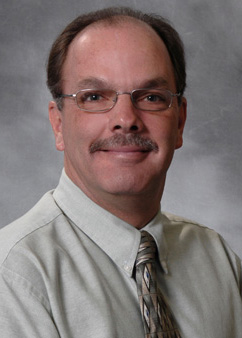 Jim Moore
-
2000: NAACLS has first meeting on accreditation of PA programs
expand_moreThe National Accrediting Agency for Clinical Laboratory Sciences (NAACLS) holds its first official meeting on accreditation of pathologists’ assistant programs in rooms provided by the AAPA at their annual conference in Toronto in the fall of 2000.
-
2001: AAPA becomes a P.A.C.E Provider
expand_moreThe AAPA attains CME Provider status through the P.A.C.E. Program to provide members with approved credits for qualifying seminars/workshops at educational conferences.
-
2003: The AAPA and NCCPA invited to CAP Headquarters in Washington DC
expand_moreThe CAP invites the AAPA and the NCCPA to attend a mutual fact-finding meeting at CAP’s headquarters in Washington D.C. The CAP subsequently agrees to maintain open lines of communication with both organizations.
-
2003: Certification Commission gives final recommendations
expand_moreThe National Commission for the Certification of Pathologists’ Assistants (NCCPA) submits its final recommendations to the AAPA BOT in the fall of 2003. The recommendations include opting for: independent certification; the ASCP/BOR certification program or exploring other options. They also recommend that the BOT take additional time to consider all of the options.
-
2003: AAPA BOT votes on certification
expand_moreThe AAPA BOT votes unanimously in December of 2003 to pursue a partnership with the ASCP to create the first official national certification examination for Pathologists’ Assistants. A Memorandum of Understanding (MOU) between the AAPA and the ASCP/BOR is initiated.
-
2003: AAPA BOT, CAP, and Scope of Practice
expand_moreAAPA BOT members initiate a series of meetings with CAP to discuss a collaborative effort to create a “Scope of Practice” for pathologists’ assistants.
The AAPA’s “Professional Responsibilities of Pathologists’ Assistants” document is utilized by the AAPA and CAP as the basis for the creation of the first official “Scope of Practice of Pathologists’ Assistants” document.
-
2004: AAPA BOT Representative addresses IAP members in Australia
expand_moreAn AAPA BOT representative addresses members of the International Academy of Pathologists (IAP) at the IAP Congress in Brisbane, Australia regarding the state of the pathologists’ assistant profession and of the history of the AAPA.
-
2004: National Certification: AAPA BOT and ASCP BOR sign MOU
expand_moreThe AAPA BOT and the ASCP BOR sign a Memorandum of Understanding (MOU), forming a firm foundation for the creation of a joint program for the national certification of pathologists’ assistants. The MOU defines the relationship between the AAPA and ASCP and outlines each organization’s responsibilities.
The AAPA, in partnership with the ASCP Board of Registry (ASCP BOR) creates the first national certification program for pathologists’ assistants. It is the first “professional” certification program offered by the ASCP. Working together, the AAPA and ASCP also create the first official certification examination for pathologists’ assistants. The official designation for a certified pathologists’ assistant is PA(ASCP).
-
2004: Final AAPA fellowship exam and grandfathering fellows
expand_moreThe final AAPA Fellowship Examination is administered in the fall of 2004 at the AAPA annual conference in Chicago, IL.
Beginning in November of 2004, AAPA Fellow members who had previously passed the AAPA Fellowship Exam are given the opportunity to be grandfathered into ASCP certification. The window to apply for grandfathering is established, with a deadline of December 31, 2005. After December 31, 2005, all individuals, including qualified AAPA OJT members seeking certification, are required to pass the new PA certification exam administered by the ASCP.
The partnership with the ASCP Board of Registry to create the first national certification program for pathologists’ assistants brought to the forefront the issue of how to deal with On-the-Job trained persons working as PAs. The AAPA had already created an “Affiliate” membership category for OJTs, and a path for them to become Fellow members. In light of the new certification examination, the AAPA Board of Trustees determined a path for OJTs to apply for AAPA membership, and for them to become AAPA Fellows so that they might ultimately be eligible to sit for the certification examination. In short, the Board determined that OJTs applying for AAPA Affiliate membership must have completed rigorous application requirements, including those specifically for their training on the job. Essentially, the “training requirement” must have been completed before a required three years of contiguous work experience could commence. This set of AAPA requirements was associated with a three-year plan for the phase-out of OJT eligibility to sit for the certification examination.
-
2005: Inagural ASCP certification exam & Study Course
expand_moreThe inaugural ASCP certification examination for pathologists’ assistants is administered in September of 2005 at the annual AAPA Continuing Education Conference in Boston, MA.
As of December 31, 2005, 730 AAPA Fellows are grandfathered into ASCP certification.
The first AAPA Exam Study Course is offered and the Fall Conference lectures recordings are offered for the first time.
-
2006: Continued Outreach efforts
expand_more“The Board continued to develop and maintain relationships with CAP, ASCP, and ASCP BOR. In addition to considerable communication by e-mail and phone, we had face-to-face meetings with CAP and ASCP at least twice per year in their Washington, D.C. offices. Our representatives on the ASCP BOR BOG and on the Certification Examination Committee also met regularly. The Board also established contact with additional professional organizations, and subsequently joined several, including the following: The Institute for Quality in Laboratory Medicine (IQLM), the Professional Partnership Advisory Council (PPAC), and the National Association of Advisors for the Health Professions (NAAHP).
Tom Reilly
-
2007: ASCP CMP is launched and the AAPA governance and bylaws are updated.
expand_moreThe Pathologists’ Assistant-specific certification maintenance program (CMP) is launched by the ASCP. Details may be obtained from the ASCP.
ASCP WebsiteThe AAPA creates new governance and membership structures, and additionally creates a set of bylaws to replace its outdated AAPA Code of Regulations.
-
2008: First Executive Director position
expand_moreThe AAPA creates its first paid Executive Director (ED) position. The ED is tasked to maintain, promote, and ensure that the AAPA remains the preeminent professional association for pathologists’ assistants.
John Mitchell, First Executive Director
-
2008: A new Logo, production upgrade, and a new Central Office
expand_moreA new official AAPA logo is created.
The audio-visual presentation for AAPA annual conferences is ramped up significantly, with a ten-person team handling the AV responsibilities.
The AAPA contracts with Association Development Services as a new Central Office.
-
2009: New AAPA BOT and Leadership structure
expand_moreThe AAPA BOT/Leadership structure is reorganized to create a more efficient model.
The AAPA BOT creates the position of “BOT Adjunct” to describe Board-level AAPA members who function as liaisons with participating societies, or who maintain consultation with the BOT for transition in vital roles such as Chief Financial Officer.
-
-
2010 to 2019expand_more
Background: All the hard work on relationships brings strength to the AAPA voice.
2010-2019 has seen the AAPA continue to interact with professional organizations such as the CAP, ASCP, ACS, AJCC and others, becoming a member organization of the Commission on Cancer, further solidifying its standing as a viable health care profession. It has also maintained its commitment to advocate for its members, establishing “Town Hall Meetings”, and increasing the number of annual educational meetings. It also created and released editions 1 and 2 of the AAPA Macroscopic Examination Guidelines: Utilization of the CAP Cancer Protocols at the Surgical Gross Bench (Grossing Guidelines).
-
2010: Other Certification routes close
expand_moreOn January 1, 2010, The OJT route to certification is officially closed and admittance to the AAPA Affiliate member category is also officially closed. The only path to become eligible to sit for the ASCP certification exam is now to graduate from a NAACLS-accredited training program. All future AAPA members must also be trained by a NAACLS-approved training program.
-
2010: Beyond the Bench
expand_moreThe AAPA offers a new CME source “Beyond the Bench”, a pathologists’ assistant specific publication of various pathology topics. The compilation of articles with quizzes supplements CME offered through AAPA educational conferences and newsletter articles with quizzes.
 Beyond the Bench Logo
-
2011: Strategic Plan goals: The Cutting Edge and the Grossing Guidelines
expand_moreThe AAPA Newsletter is reformatted as a full-color, peer-reviewed journal publication and renamed to The Cutting Edge.
Work on the Grossing Guidelines begins as an ad hoc committee to explore a professional and useful publication to help pathologists’ assistants with grossing standards, similar to the CAP Protocols.
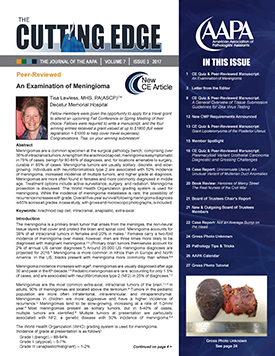 New Journal Format
-
2012: New Education opportunities for members and students
expand_moreThe first AAPA Spring Meeting is offered.
The first AAPA Student Delegate program is offered.
-
2013: The American Joint Committee on Cancer(AJCC) & Student Liaisons
expand_moreThe AAPA becomes a member organization of the American Joint Committee on Cancer (AJCC).
The AAPA establishes “Student Liaisons” to better serve and interact with students from all training programs.
-
2014: New Member benefits!
expand_moreThe first “PA Day” is celebrated on April 14.
The AAPA offers 15 free CEs as a benefit of membership for the first time.
AAPA Conference travel grants are first offered.
 2015 PA Day Logo
-
2015: Committee structure is updated and the booth exhibits at a new meeting!
expand_moreThe AAPA Committee organizational structure is updated to a “super committee” structure. This move increases efficiency of Central Office staff and volunteers alike. As a part of this, the Student Committee is formed to let students actively participate in AAPA membership and focus on benefits geared to PA students.
The AAPA begins to exhibit at American Pathology Chairs (APC) meeting, increasing awareness of the profession and rebooting a long standing relationship with the APC.
-
2016: Master’s degree standard and New York State Licensure
expand_moreAll remaining baccalaureate degree programs are converted to master’s degree programs. All future certification exam candidates are now required to graduate from a master’s level NAACLS-accredited pathologists’ assistants training program, and as previously required, must successfully pass the exam within five years of graduation.
New York State enacts a licensure program for all laboratory personnel. This causes significant confusion for many lab professionals as there are only three (3) categories. The AAPA, ASCP, other lab professional organizations, and even hospital administration organizations get involved to direct the state on how to better classify lab professionals while advocating for licensure.
-
2017: Strategic Plan Goal Accomplished: Grossing Guidelines
expand_moreThe AAPA Macroscopic Examination Guidelines: Utilization of the CAP Cancer Protocols at the Surgical Gross Bench (Grossing Guidelines), 1st edition is released.
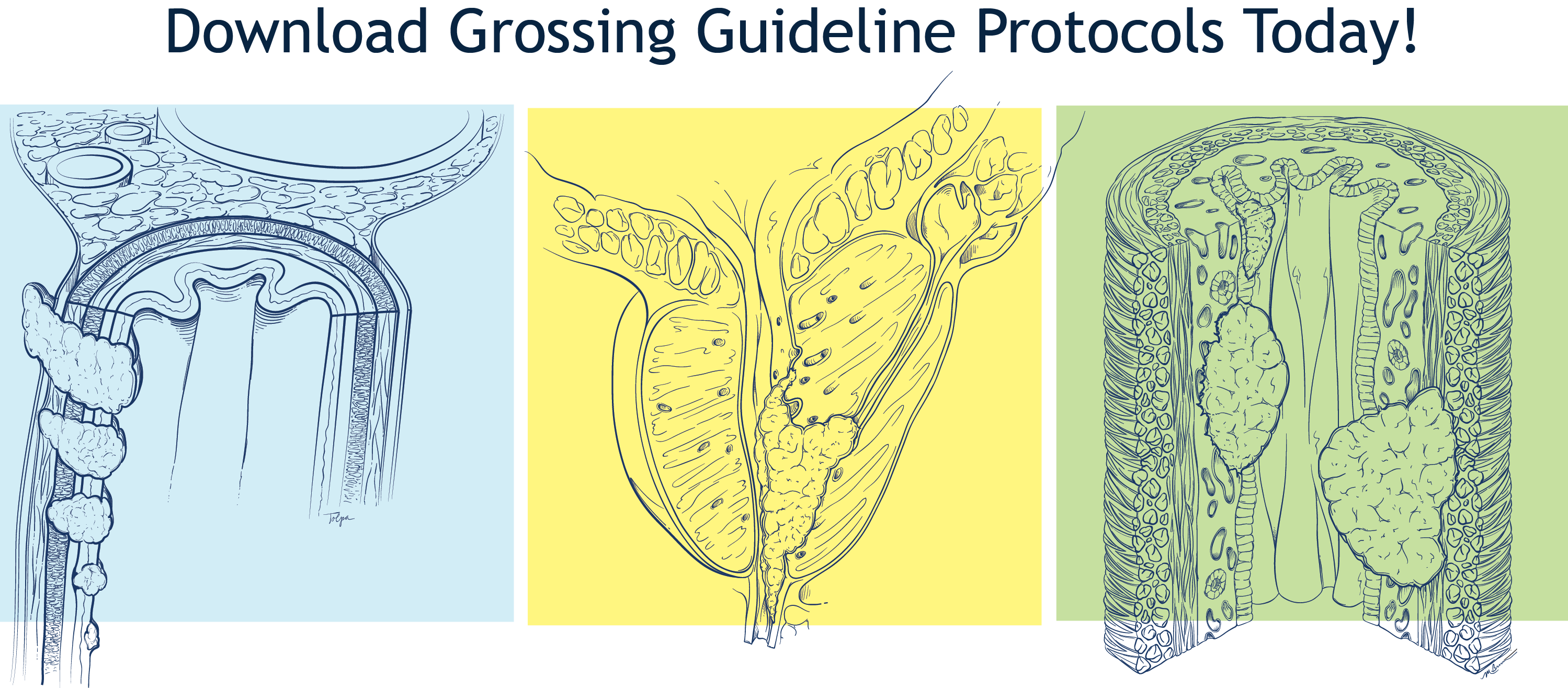
-
2018: More Strategic Plan Goals Accomplished
expand_moreThe AAPA made significant strides in 2018. First, the AAPA become a member organization of the Commission on Cancer (CoC), a program of the American College of Surgeons (ACS). This is a significant accomplishment because the AAPA has gained recognition from non-laboratory organizations and now sits at the table with not only the CAP, but organizations like the AJCC and the ACS! Our pond has gotten bigger!
Second, the revised “Scope of Practice” was released and sent to our partner organizations like CAP and ASCP. Along with this, the AAPA released its “Inspection Rediness Kit”. This was developed as a joint effort by pathologists’ assistants and pathologists to provide laboratory administrators, pathologists, and PAs with all the needed documentation and assessments needed for accredidation inspection. While it focuses on CAP accredidation, it can serve as a tool for all laboratory inspections, even CLIA .
Inspection Readiness Kit Scope of PracticeThird, the AAPA Macroscopic Examination Guidelines: Utilization of the CAP Cancer Protocols at the Surgical Gross Bench (Grossing Guidelines), 2nd edition is released. This was a significant update to this document. It added focus to how to approch difficult specimens, more staging, and much more. It also updated several protocols with the newest release of the AJCC staging manual.
Grossing GuidelinesAlso in 2018, the AAPA BOT started its “Town Hall Meetings” to allow members to discuss specific topics with the BOT directly via video conferencing.
And finally, 2018 marked the 5-year milstone of the celebration of PA Day!
-
2019: New benefits for members!
expand_moreWith the increase to 60 required CE credit hours, the AAPA now offers 20 free CE credits annually to its members. Just by being a member, you get all the free credits you need to maintain your certification!
-
-
2020 to Presentexpand_more
Background: Pivoting through the pandemic and coming back together to celebrate.
A new decade arrived, bringing both challenges and successes. As the world shut down due to the COVID-19 pandemic in early 2020, pathologists’ assistants had to adapt to new ways of doing their jobs, while PA students adjusted to virtual learning. Meanwhile, the AAPA pivoted from offering in-person events to virtual and created resources to assist with those whose workflows and studies had been impacted by lockdowns and new protocols. Once we began to emerge from the pandemic, members were able to come together just in time to celebrate the AAPA’s milestone 50th Anniversary in 2022 and reflect on how far our profession and organization have come.
-
2020: The year the world stopped!
expand_moreThe COVID-19 pandemic hits everyone hard. Our hearts break with the rest of the world as the virus spreads and touches everyone in some way. The AAPA grieves for the many losses but also celebrates the awesome healthcare heroes we call AAPA members! Without you and your commitment to patient care and the willingness to serve, the healthcare of so many would have suffered even more. Throughout the early days of the pandemic, the AAPA highlights members whose stories reflect the collective experience of working PAs and students across the country.
COVID-19 Resources -
2020: Virtual meetings & additional CE offerings
expand_moreDue to COVID-19 pandemic lockdowns, along with travel and meeting restrictions, the AAPA must rethink its meeting offerings. In fall, the AAPA offers “Fall for Pathology: 2020 Virtual Lecture Series”, a collection of pre-recorded lectures along with recorded poster presentations (in place of the onsite poster sessions) from the Student Delegates. In Spring 2021, the AAPA holds its first fully virtual meeting, followed by the “Virtual Symposium of Pancreatic Disease for Pathologists’ Assistants” that summer. Beyond the Bench, Volume IV, is released at the end of 2020.
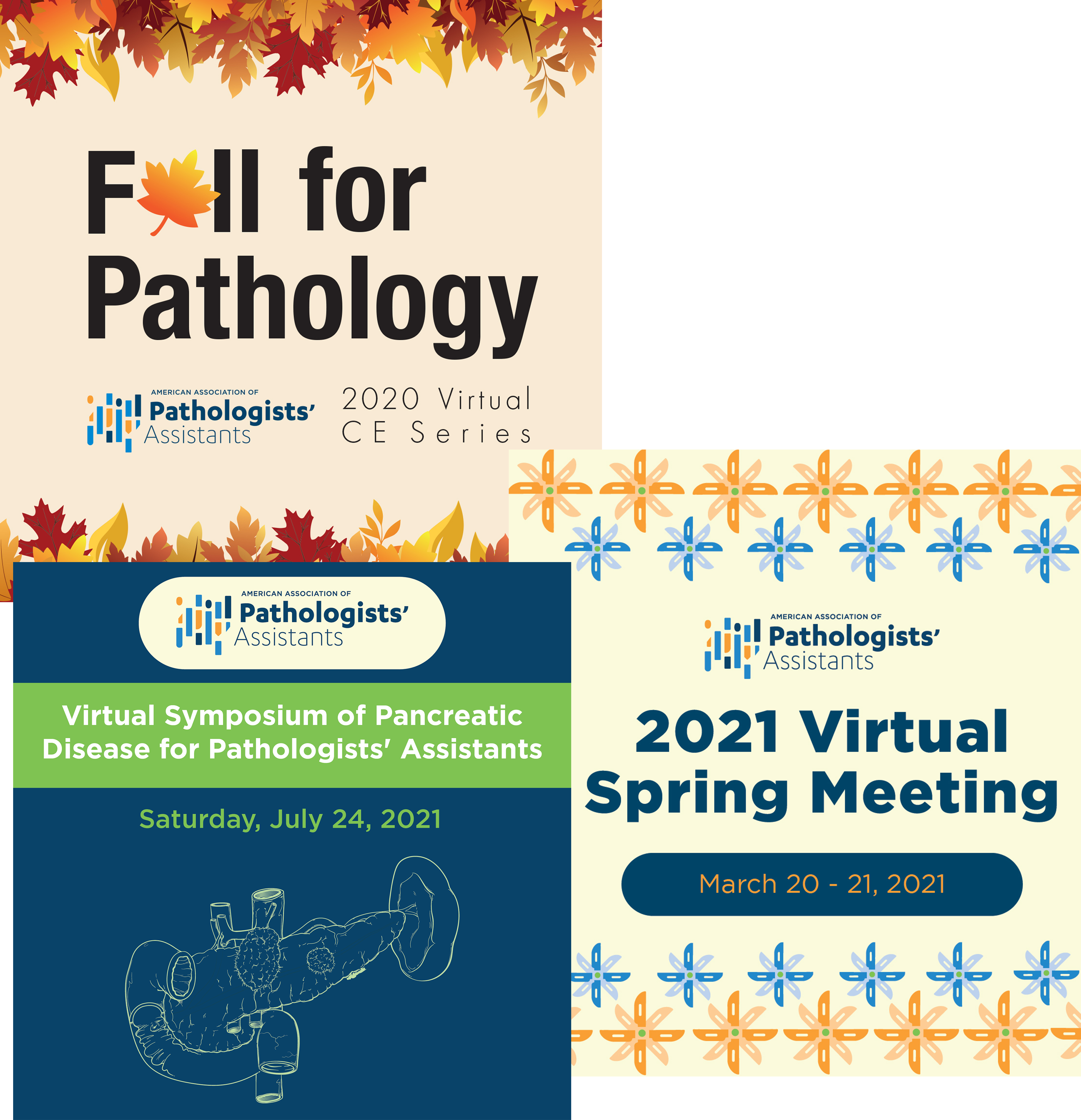
-
2020: Rebrand and “It Pays to Know” Campaign
expand_moreThe AAPA introduces a new logo and the “It Pays to Know” marketing campaign. The goal of our updated brand is more than a fresh look – it’s a campaign to draw in various target audiences from prospective PA students to pathologists and administrators to other medical specialties and organizations through our social media sites, exhibitor booth, promotional materials, and occasional print advertisements.
Logo FAQ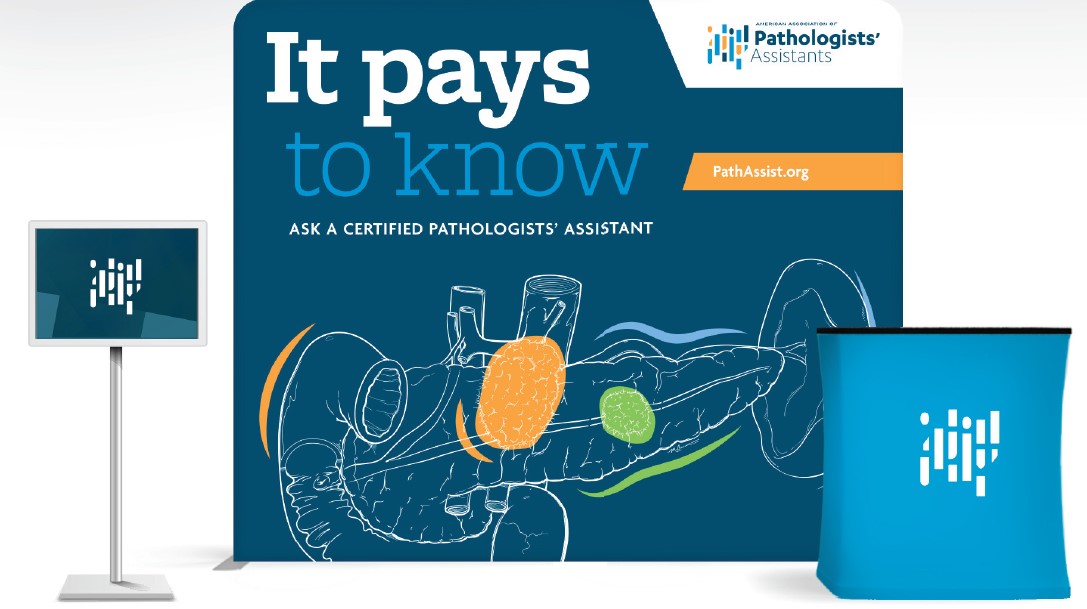
-
2021: New AAPA Career Center Launch
expand_moreIn place of the former Job Hotline, the AAPA launches a new members-only benefit, the AAPA Career Center, powered by a partnership with YM Careers, an industry-leading career platform. This partnership allows us to offer members a modern, up-to-date career website that serves as a one-stop shop for all members who are looking to job seek, update their resume, or simply advance their career. Members also have access to the Resource Center, with helpful advice articles and the opportunity to meet one-on-one with a career coach or have their resume reviewed by an expert.
Career Center
-
2022: New CMP Requirements
expand_moreThe ASCP BOC’s new certification requirements for PA(ASCP)CM go into effect, increasing the required credits to 60 per three-year cycle beginning in January of 2022. Since 2019, the AAPA has offered members 20 free CE credits annually (including advanced AP, laboratory safety, and medical ethics credits) to fulfill these requirements.
CMP Requirements -
2022: Grossing Guidelines, 3rd Edition
expand_moreThe AAPA begins release of the 3rd Edition AAPA Macroscopic Examination Guidelines: Utilization of the CAP Cancer Protocols at the Surgical Bench (Grossing Guidelines) in May 2022. The 3rd Edition of the Grossing Guidelines has a new and streamlined format that is designed for ease of use at the gross bench and is a valuable reference for the new graduate pathologists’ assistant as well as the experienced pathologists’ assistant, pathology resident, or pathologist.
Access Grossing Guidelines -
2022: Inaugural Summer Meeting
expand_moreThe AAPA holds its Inaugural Summer Meeting in Baltimore, Maryland. As with the Spring Meeting, the focus of the Summer Meeting is solely dedicated to continuing education, offering attendees the opportunity to earn up to 15 CE credits in a condensed 2 ½ day format. The timing of the meeting during the summer is also meant to encourage attendees to make the trip into a family vacation.
Upcoming Conferences
-
2022: 50th Anniversary Celebration: Looking Back, Looking Forward
expand_moreThroughout the year, the AAPA looks for ways to celebrate this milestone anniversary, culminating in the Annual Conference: Looking Back, Looking Forward held in Minneapolis. The keynote speaker, James Wright, MD, PhD, presents on the History of the Pathologists’ Assistant Profession, offering an extensive and gracious look at the beginnings of our profession. Spring Meeting Chair Becky Stankowski, PA(ASCP)CM, leads the “50th Anniversary Exhibit” project, which is proudly on display throughout the conference.
Read More Visit the Virtual Exhibit View Event Photos
-
-
 photo credit:
  Coy Wagner PA(ASCP)CM, Duke Class ’71
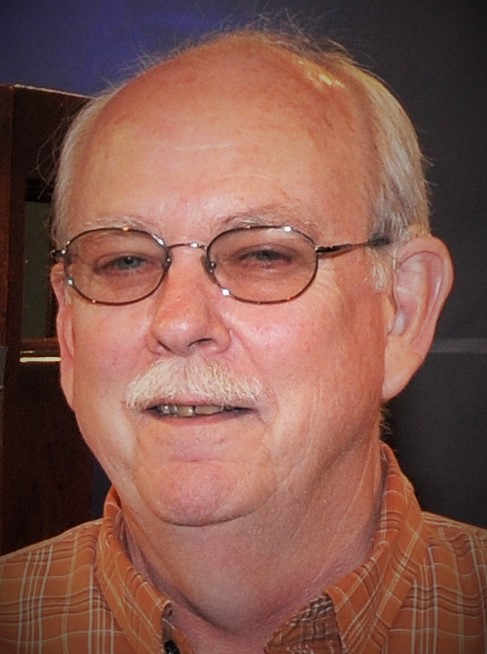 Rob Heineman, Duke ’71, Founding Member
 Steve Suvalsky
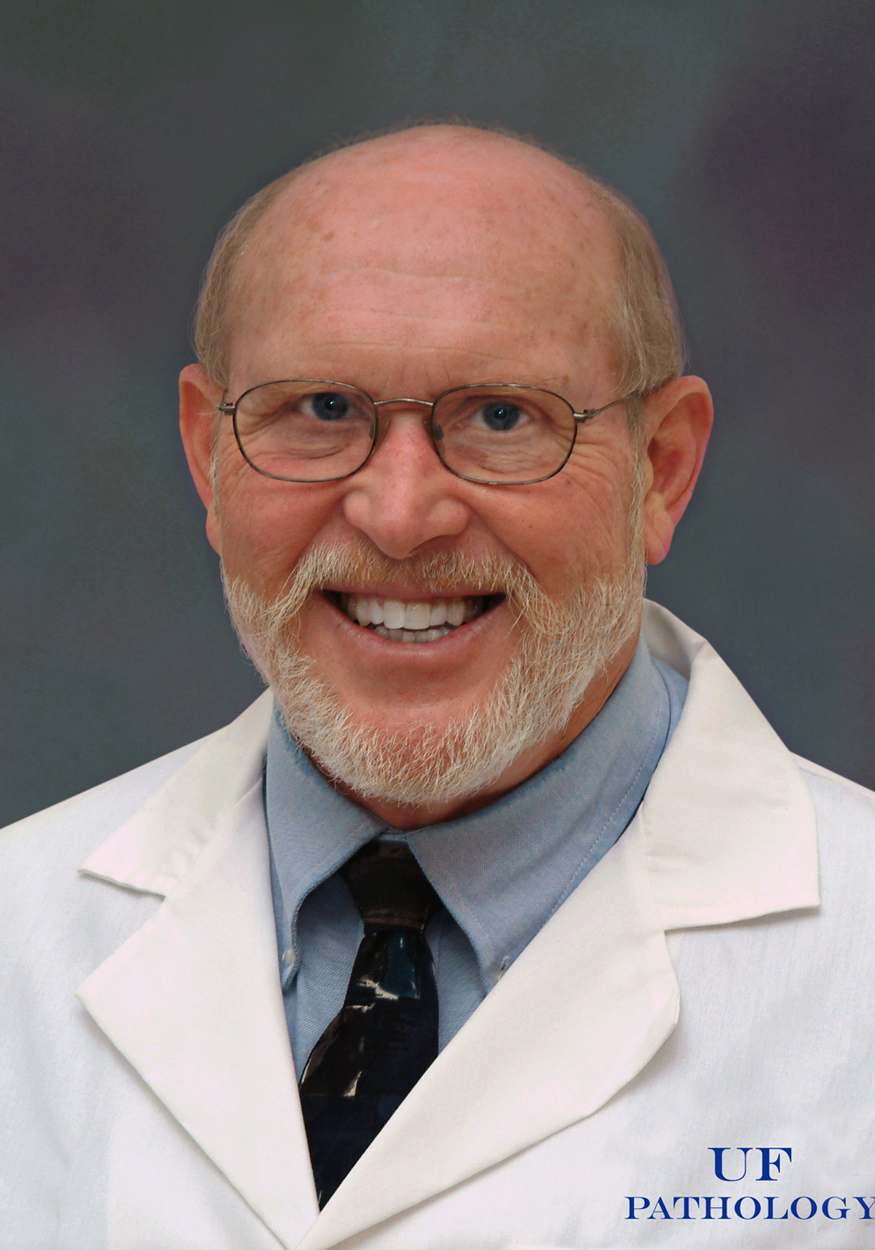 Jerry Phipps
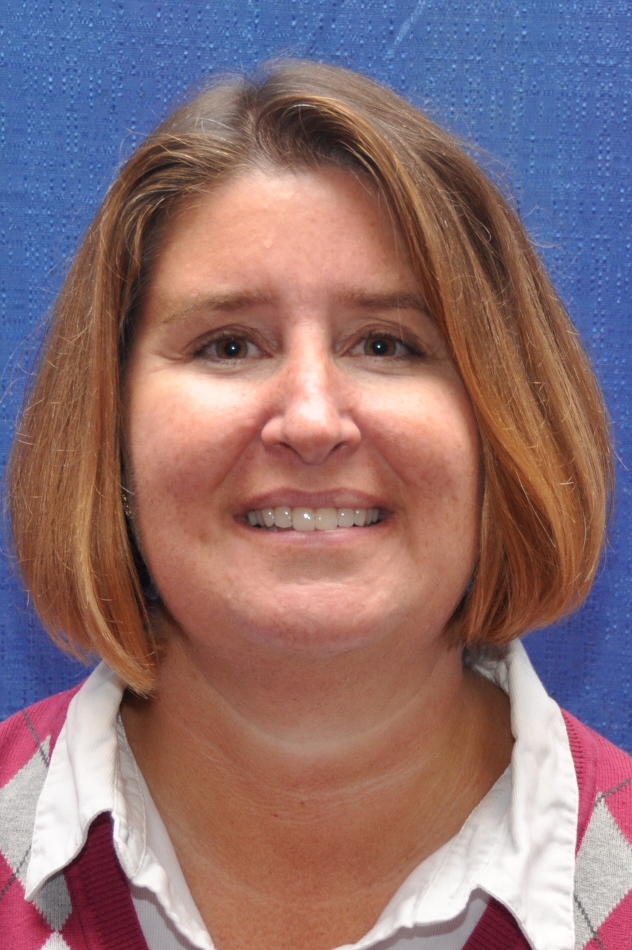 Kathy Washnigton
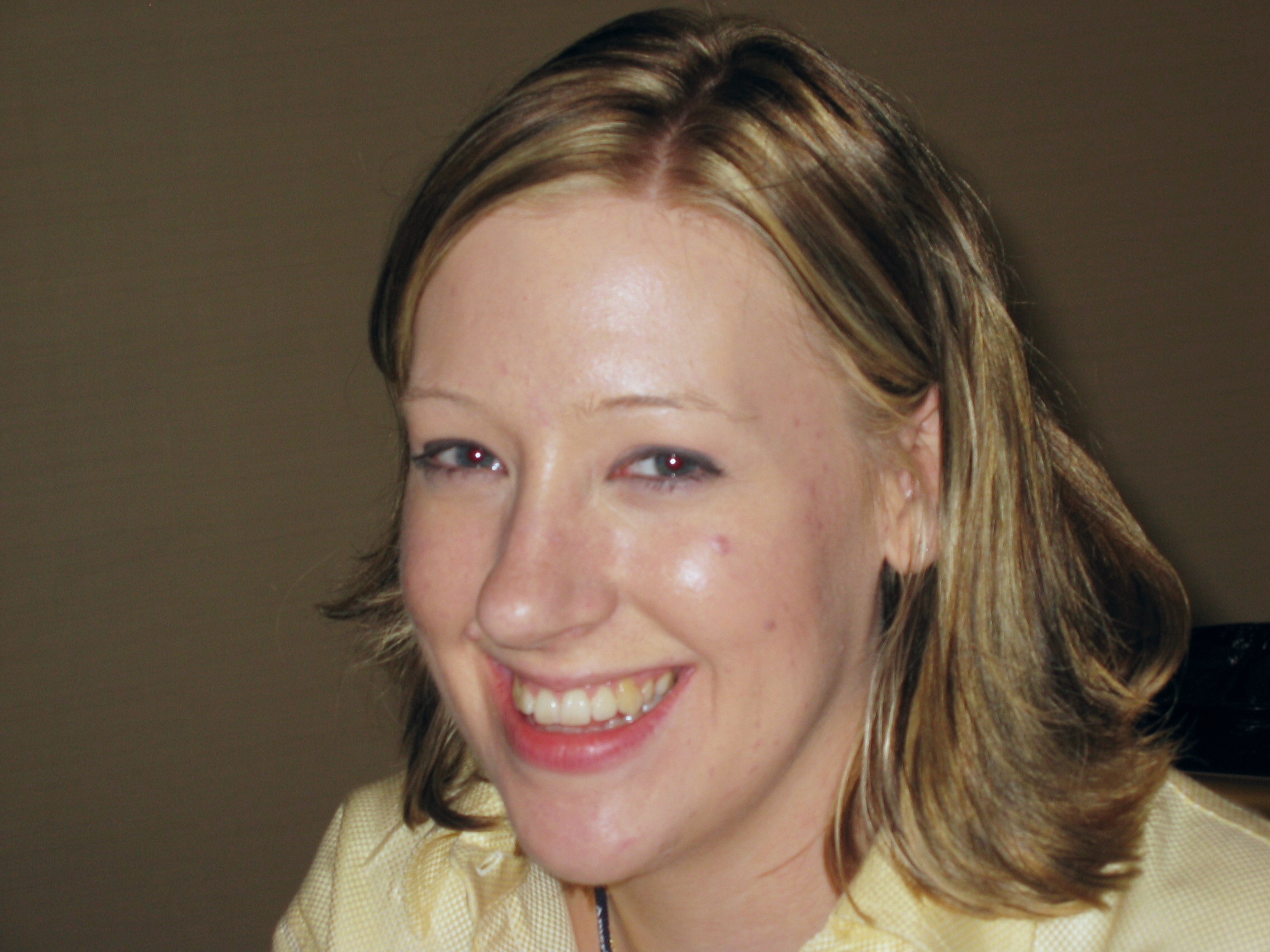 Michelle Sok, Second & Current Executive Director
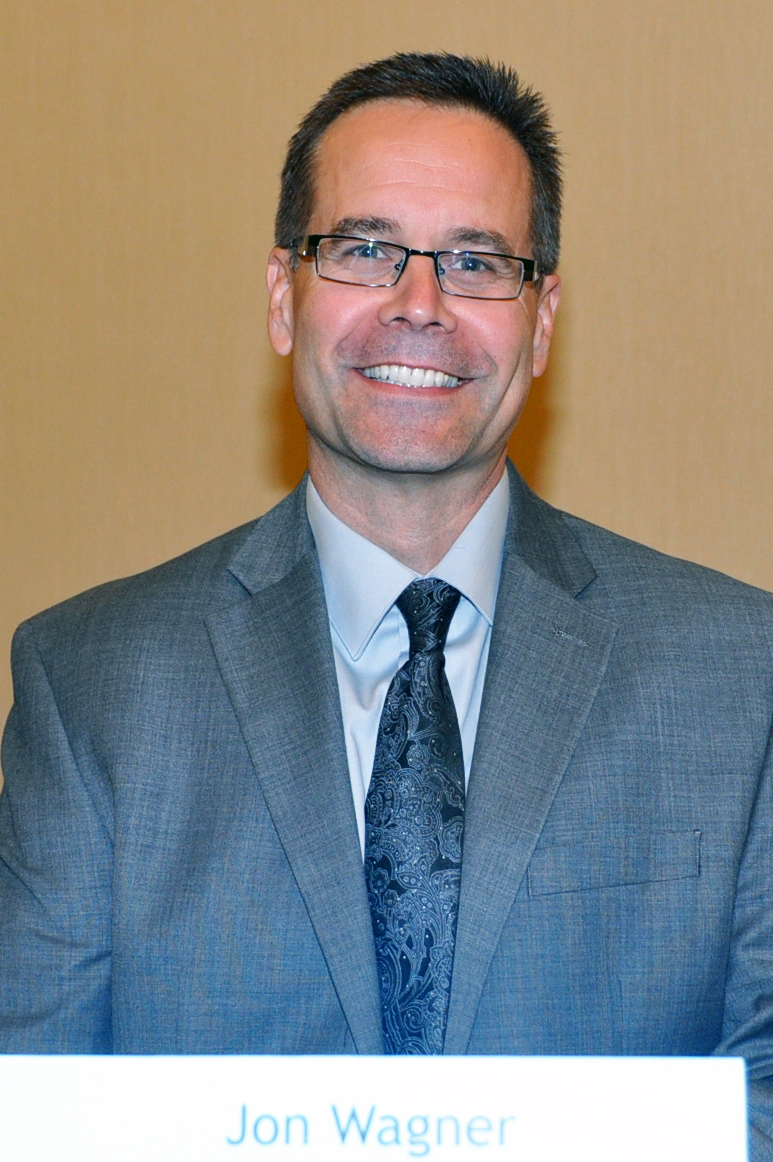 Jon Wagner, Editor-in-Chief
Discover More
Board & Committee Members
Meet the AAPA leadership and discover the committees that work to make our association great!
MEET THE TEAMGet Involved
Make a difference in your career, your life, and to your professional association. Volunteer on a committee today!
VOLUNTEER